
Autonomous Driving with SAP

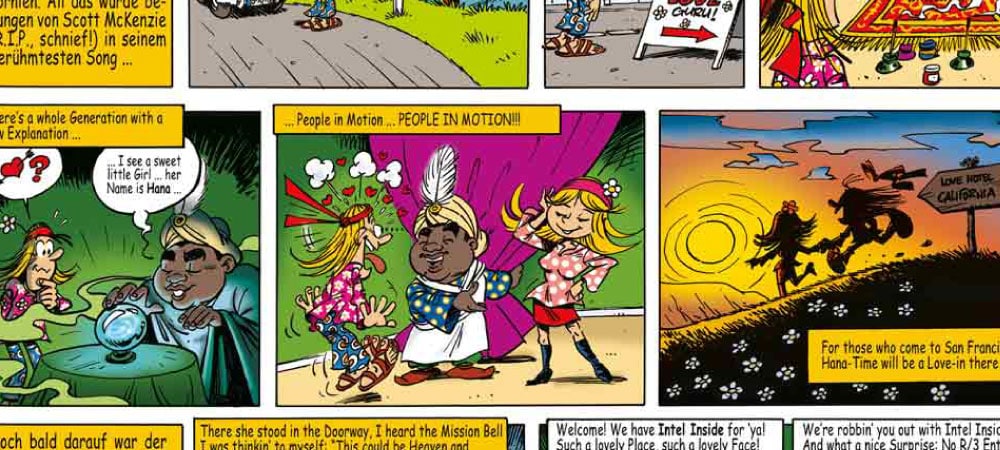


In the fast-paced world of the global software giant SAP, strategic visions now have the half-life of a mayfly; after all, just a year ago, the so-called North Star Architecture was hailed as the ultimate ERP savior, but now SAP CEO Christian Klein has already taken that star down from the sky and replaced it with the next glossy narrative: the „Autonomous Enterprise.“.
By the term „autonomous,“ Christian Klein means a magical ERP utopia in which so-called digital „super workers“ and an army of autonomous AI agents are supposed to handle complex business processes—such as the quarterly financial close in the finance department—not over grueling weeks, but in just a few days, virtually on their own.
The way SAP uses this term in its communications with its often long-suffering existing customers resembles a masterful, almost comical case of false advertising. Instead of truly reinventing the much-cited ERP wheel from the ground up, the company is resorting to a simple semantic shift, in which familiar Software-as-a-Service solutions are simply reorganized and embellished with the marketing-friendly prefix „Autonomous.“.
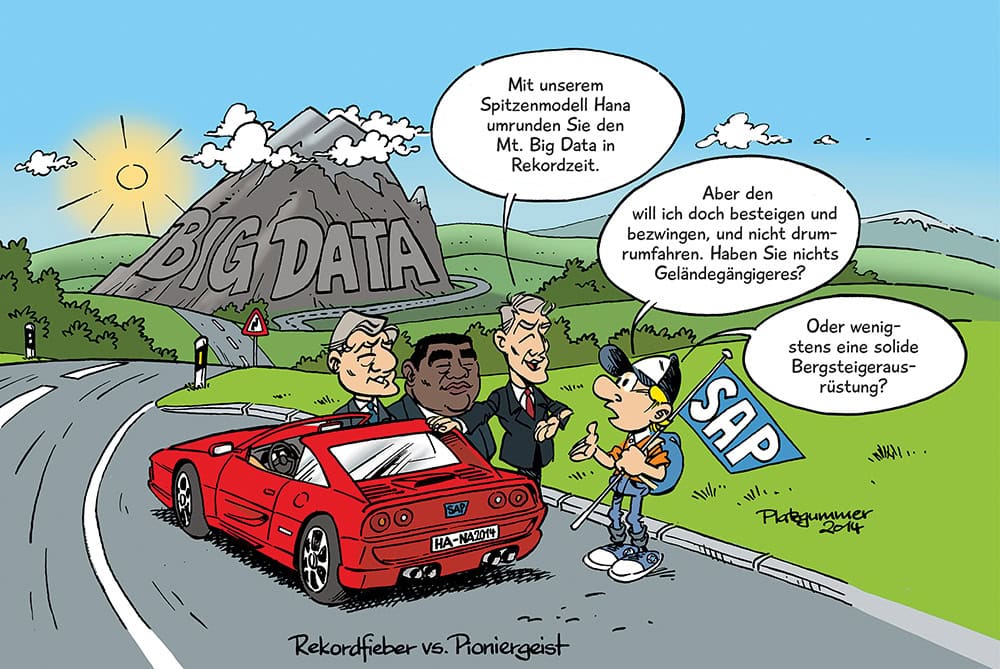
When we examine the technical foundation of this autonomous pipe dream, a four-part architectural puzzle emerges that, upon closer inspection, has a certain charm—provided it functions flawlessly in the harsh reality. The foundation of this construct is the „SAP Business AI Platform,“ which serves as the lowest level of orchestration and centrally integrates the deep process context, business data, and AI models.
However, since even the most intelligent large language model would fail miserably when faced with the historically evolved, notoriously cryptic table structures of an SAP system, SAP has introduced the „SAP Knowledge Graph“ as a semantic „Babelfish“ (the fictional creature from Douglas Adams’ novel *The Hitchhiker’s Guide to the Galaxy*) to act as an intermediary (see also graph theory in computer science and the SAP HANA Graph Engine). This graph is intended to make the highly complex SAP data readable and accessible to AI agents in the first place by translating the relationships between the countless data nodes, so that the machine does not begin to hallucinate dangerously and erratically within the ERP context.
The „SAP Autonomous Suite“—the operational core of the system—rests on this freshly translated database, where more than 50 domain-specific assistants and a subset of over 200 highly specialized AI agents are expected to diligently carry out their digital tasks. This entire orchestra of agents is ultimately orchestrated and commanded by SAP Joule in the top-level interaction layer, which has been simply named „Joule Work.“ (pmf)


 Deutsch
  English
  Español
  Français