




KPMG Wirtschaftsprüfungsgesellschaft is expanding its Trusted AI offering with new auditing and consulting services for artificial intelligence (AI). The aim is to support companies in using AI systems reliably, legally compliant, and responsibly.
The main focus of the offer
AI Assurance: KPMG checks whether AI systems make transparent and fair decisions, whether responsibilities are clearly defined, and whether appropriate control mechanisms are in place to minimize bias and comply with ethical standards.

The audits include model validations, bias analyses, and the traceability of decision paths using established explainability tools. In addition to its own Trusted AI Framework, KPMG also follows internationally recognized standards such as ISO/IEC 42001 and national standards such as IDW PS 861 for auditing artificial intelligence.
AI governance: In addition to technical testing, KPMG supports companies in their strategic and organizational alignment—from development and implementation to ongoing monitoring of AI systems. The focus is on responsible design and an effective, cross-departmental integrated governance structure. KPMG helps organizations manage AI as a controlled corporate asset („AI asset“) – with clear responsibilities, approval processes, and a robust control architecture throughout the entire AI lifecycle.
The central element is the KPMG Trusted AI Framework, which combines regulatory, ethical, and operational requirements and creates transparency regarding roles, responsibilities, and control mechanisms—for example, through defined approval processes, bias reviews, and model fact sheets that document training data and decision-making logic. For operational implementation, governance and control processes are mapped in common platforms or in KPMG's own solutions, such as the KPMG AI Cockpit.
The cockpit simplifies testing and approval processes, makes responsibilities transparent, and maintains a central inventory of all AI systems. This enables companies to gain efficiency through automated workflows and real-time reporting. AI governance thus becomes an integral part of corporate and risk management—and creates the basis for shaping innovation responsibly.
ㅤ
ㅤ
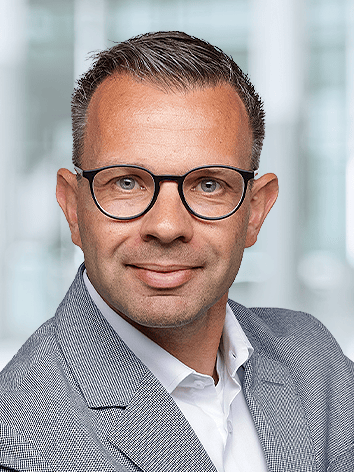
„AI must not remain a black box. Only when we can understand how decisions are made can we build trust—the currency of the digital economy.“
Dirk Distelrath,
Partner, Audit, Regulatory Advisory,
Digital Process Compliance,
KPMG
Gap and readiness assessments: Existing AI systems are examined for potential vulnerabilities, from security gaps to possible bias risks. Established frameworks are used, supplemented by fairness checks and robustness tests to ensure broad practical applicability. KPMG combines technical testing procedures with governance assessments to holistically evaluate the maturity of AI systems.
The focus is on data quality, model robustness, traceability of decisions, and compliance with the requirements of the EU AI Act. The assessment reveals both technical and organizational gaps—such as insufficient documentation, lack of human oversight, or deficiencies in risk and incident management. The results are visualized in the KPMG AI Cockpit, for example, and enable prioritized action planning with clear responsibilities and deadlines.
Companies are increasingly caught between innovation and responsibility. With its new audit and advisory services, KPMG is laying the foundation for building trust in the use of AI, complying with legal requirements, and at the same time seizing opportunities for growth.
The new offering is becoming increasingly important, especially against the backdrop of growing pressure to act: Regulatory requirements such as the EU AI Act are raising the bar, while at the same time, according to a global survey by KPMG International, more than half of respondents express doubts about the trustworthiness of AI – primarily due to a lack of transparency, data protection risks, and possible distortions in the results. In Germany, the figure is even lower: just 32 percent of respondents are willing to trust AI-generated information.
AI must not remain a black box
Only those who can understand how decisions are made can build trust themselves – and that is the currency of the digital economy. KPMG is also consistently driving forward its AI transformation: the technology is being integrated into the global audit platform KPMG Clara AI and supports the automation of audit processes, in-depth data analysis, and even higher quality assurance through AI-supported agents – and thus scalable collaboration across the entire KPMG network.
Source: KPMG



 DE
DE  EN
EN  ES
ES  FR
FR