Where: Salzburg, Austria
Conference language: German
For the fourth time, E3-Magazin is organizing a summit for the SAP community in Salzburg to provide comprehensive information on all aspects of S/4 Hana and SAP BTP groundwork. With an exhibition, specialist presentations and plenty to talk about, we are expecting numerous existing customers, partners and experts in Salzburg on the topics of SAP Customer COE, BTP, licenses, automation, AI, S/4 conversion and data transformation.
The 2026 Summit in Salzburg will cover all topics related to a CCoE: ABAP modifications and conversion (keynote by Professor Alexander Zeier), the SAP portal „SAP for Me“ and Rise with SAP, setting up and organizing a CCoE (keynote by Sebastian Westphal, CIO Deutsche Bahn), monitoring, automation (with AI), testing and IT architecture management (LeanIX), SAP Cloud ALM (Application Lifecycle Management), as well as security, change management, and cloud orchestration, including sovereign cloud.
Video interviews from
CC Summit 2025. These include interviews with Christian Müller (SAP), Andreas Kraut (FIR e. V. at RWTH Aachen University), and Jochen Fischer (No Monkey). You can find more interviews on the E3 YouTube channel.
To the E3 YouTube channel!Here goes your text ... Select any part of your text to access the formatting toolbar.
Here goes your text ... Select any part of your text to access the formatting toolbar.
Here goes your text ... Select any part of your text to access the formatting toolbar.
Media Partners


Program
More information will follow shortly.
Would you like to become a lecturer?
Wednesday, April 22, 2026
Registration, coffee and partners
Greeting
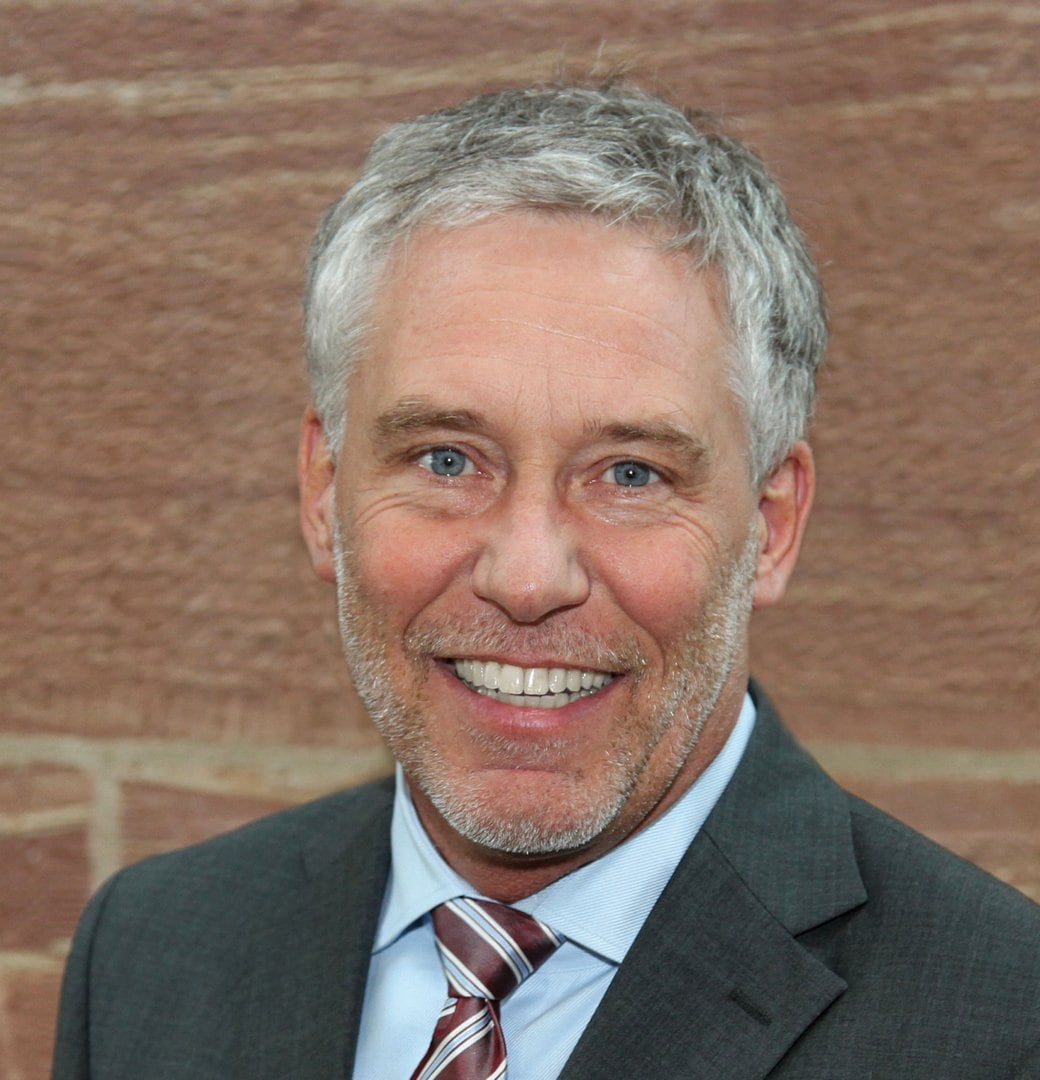
Peter M. Färbinger
Editor-in-Chief,
E3 Magazine
Lecture

Name,
Title,
Company
Lecture
Name,
Title,
Company
Lecture
Name,
Title,
Company
Lecture
Name,
Title,
Company
Lunch break and partners
Lecture
Name,
Title,
Company
Lecture
Name,
Title,
Company
Coffee break and partners
Lecture
Name,
Title,
Company
Lecture
Name,
Title,
Company
Lecture
Name,
Title,
Company
Q&A in the exhibition area
Evening event
Thursday April 23, 2026
Greeting
Peter M. Färbinger
Editor-in-Chief,
E3 Magazine
Lecture
Name,
Title,
Company
Lecture
Name,
Title,
Company
Coffee break and partners
Lecture
Name,
Title,
Company
Lecture
Name,
Title,
Company
Lunch break and partners
Lecture
Name,
Title,
Company
Lecture
Name,
Title,
Company
Lecture
Name,
Title,
Company
Lecture
Name,
Title,
Company
Coffee, farewell and exhibition
Program
Wednesday, June 10, 2026
Registration, coffee and exhibition
Greeting
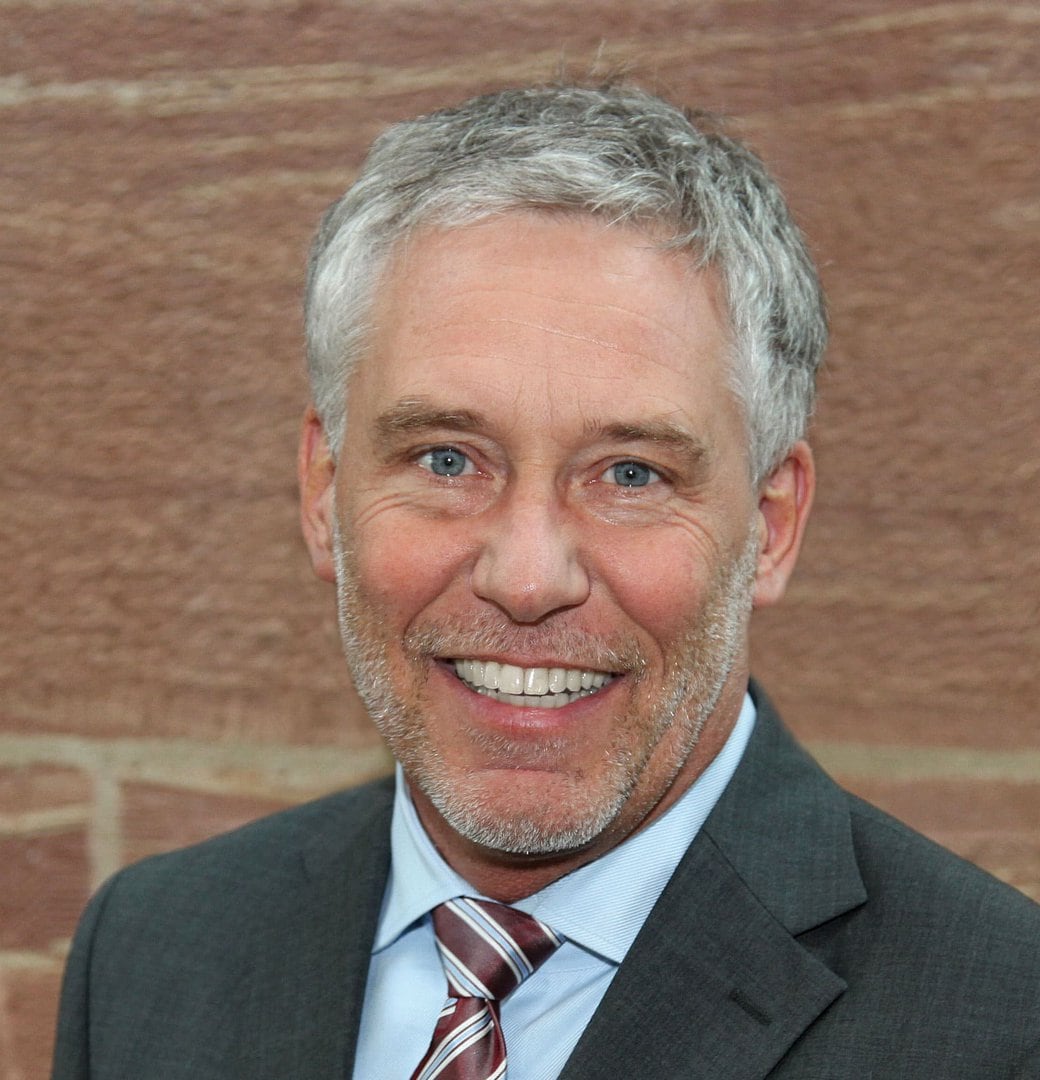
Peter M. Färbinger
Editor-in-Chief,
E3 Magazine
Custom code migration

Prof. Alexander Zeier
Chief Scientist, Co-Founder
Nova Intelligence
Honorary University Professor – Enterprise, SAP, and AI
Otto von Guericke University Magdeburg
An agentic AI platform can transfer SAP custom code (in-house ABAP development) to BTP CAP (SAP Business Technology Platform, Cloud Application Programming), taking into account simplification items and compatibility views. Nova uses Custom Code Intelligence to resolve ECC ABAP modifications and apply SAP Clean Core. The Z namespace is cleaned up.

Jörg Bühring,
Principal Consultant,
CONSILIO Ltd.
Establishment and operation of a CCoE

Sebastian Westphal
Head of Digitalization, Processes, and Systems, Finance,
German Railways Corporation
In the past, the existence of a CCC (Customer Competence Center) was essential for existing R/3 customers and later for ERP/ECC 6.0. Now, the successor organization, CCoE (Customer Center of Expertise), is almost even more crucial to the success of a Rise conversion (S/4 Hana and SAP Cloud ERP). The establishment of the CCoE at existing SAP customer Deutsche Bahn is a significant step toward the next generation of ERP.

Christopher Kobald,
KPMG Austria


Lunch and exhibition




Coffee break
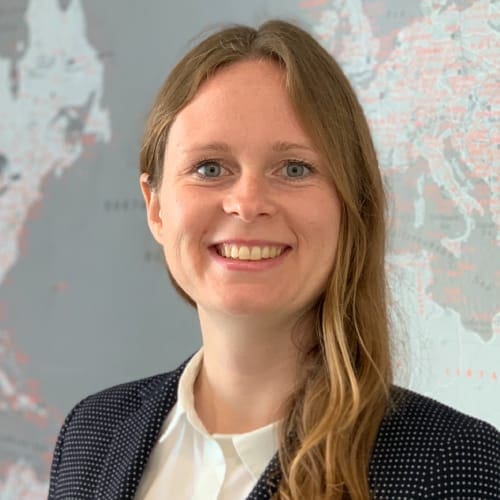
Lecture

Heiko Walter Bernhart,
SAP ALM Expert Team Lead,
Itesys

Andreas Krieg,
Founder and Managing Director,
SaphirACon GmbH
Lecture
Heiko Walter Bernhart,
SAP ALM Expert Team Lead,
Itesys
Andreas Krieg,
Founder and Managing Director,
SaphirACon GmbH
Networking
Evening event
Thursday, June 11, 2026
Greeting
Peter M. Färbinger
Editor-in-Chief,
E3 Magazine





Lunch and exhibition


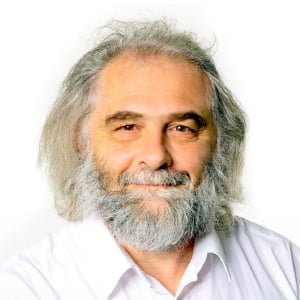


Lecture

Dr. Jörn Weigle,
Senior Vice President,
Festo

Andreas Kraut,
Community and program manager,
FIR e. V. at RWTH Aachen University
Farewell and refreshments
Would you like to take part as a speaker?
SAP Competence Center Summit 2026
Venue
FourSide Hotel Salzburg,
Trademark Collection by Wyndham
Am Messezentrum 2, 5020 Salzburg, Austria
+43-66-24355460
Event date
Thursday, June 11, 2026
Early Bird Ticket
Regular ticket
Subscriber ticket
Student ticket
SAP Competence Center Summit 2026
Your contact
For Suggestions and Ideas I will be happy to answer any questions you may have about SAP Basis, S/4 operating models and/or the Competence Center at any time. Call me on +49/8654/77130-21 or write to me at pmf@b4bmedia.net.
For Further questions Ms. Andrea Schramm will be happy to answer any questions you may have about the SAP Competence Center Summit 2026. By phone +49/8654/77130-15 or via e-mail andrea.schramm@b4bmedia.net.

Sponsors
More information will follow shortly.
Would you like to support us as a sponsor?
Exhibitor
More information will follow shortly.
Do you want to exhibit with your company?
Location and hotel contingent
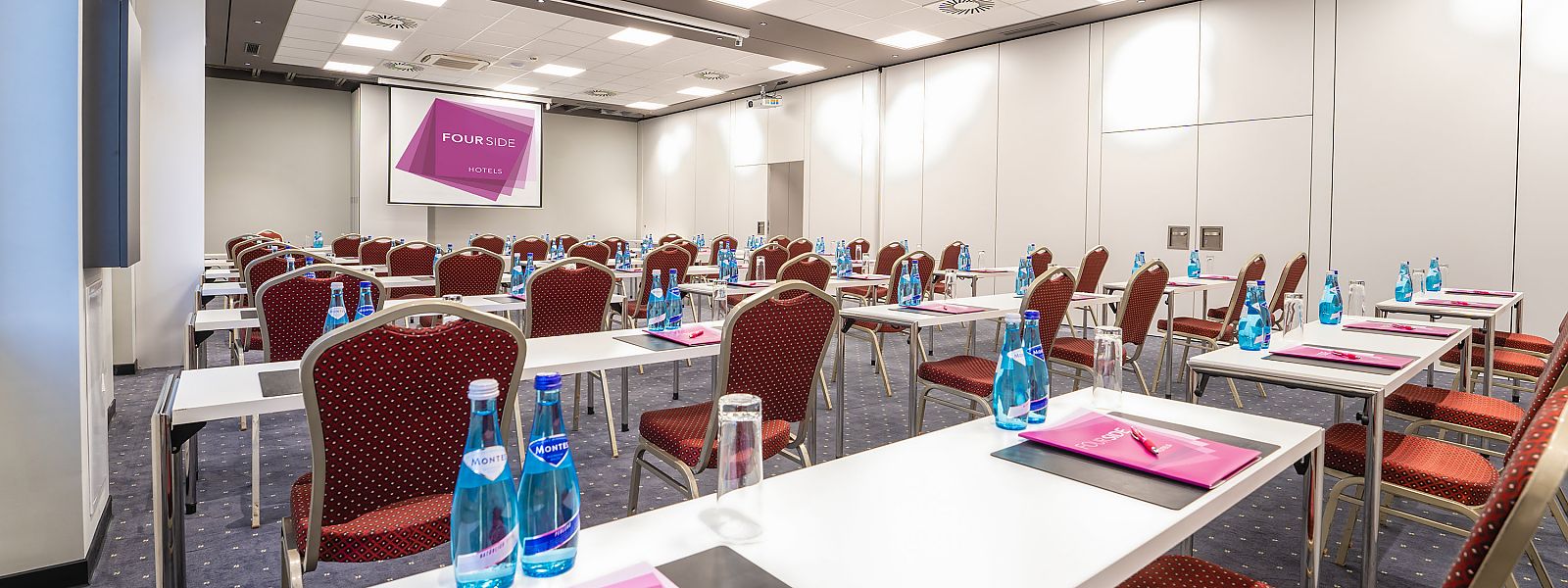
Meeting rooms - FourSide Hotel Salzburg, Trademark Collection by Wyndham
The conference rooms of the FourSide Hotel Salzburg, Trademark Collection by Wyndham, are the venue for the SAP Competence Center Summit 2026 on June 10 and 11, 2026 in Salzburg. All information about the hotel and conference rooms can be found here: FourSide Hotel Salzburg, Trademark Collection by Wyndham.
Plan your route: Google Maps location
CC-Summit hotel contingent
EUR 154,- Price per room and night for single use
Double room supplement EUR 20,- per room/night
Please note that this is a room contingent. Once the contingent has expired and been used up, the hotel can no longer make the offer available. Your choice of accommodation is voluntary and the costs for accommodation & parking are not included in the CC-Summit ticket price. All prices only valid on request with the code word: CC-Summit.
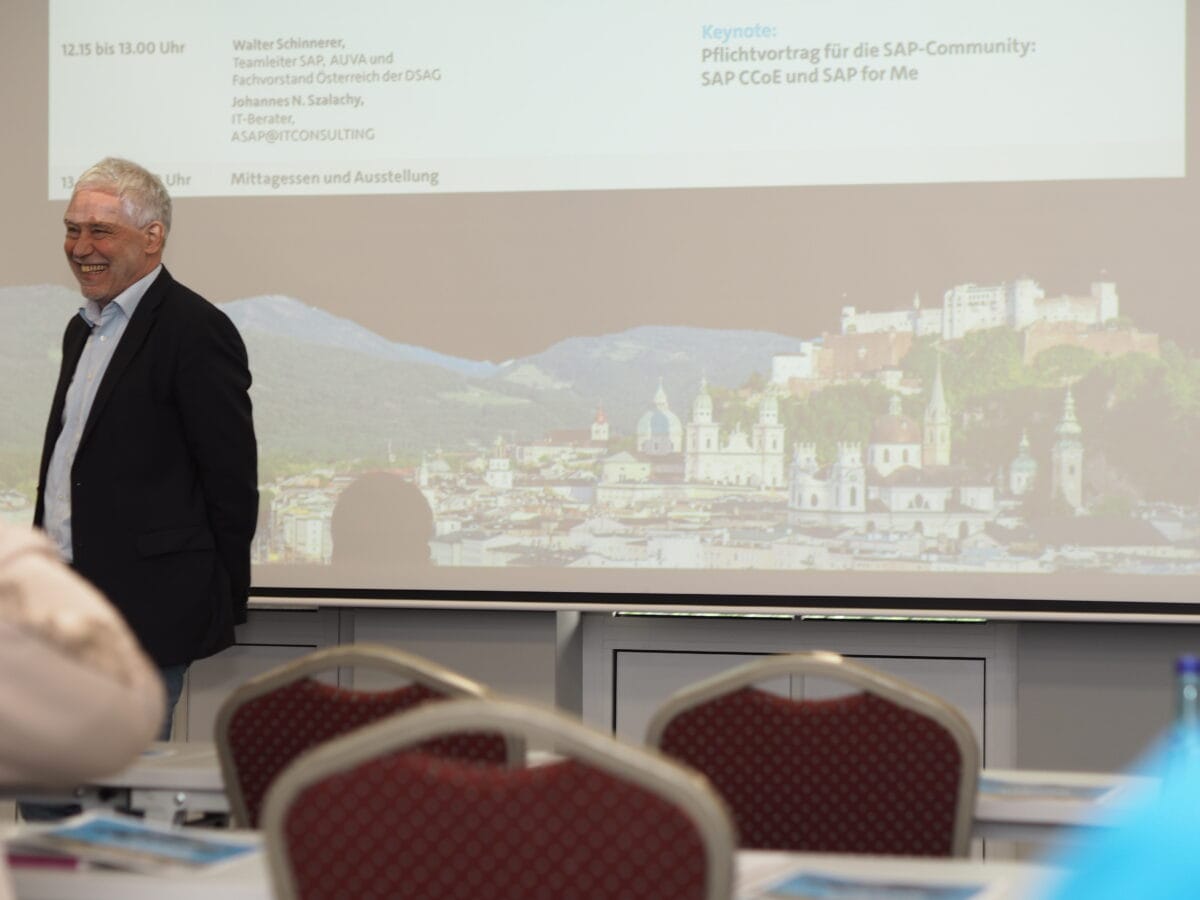
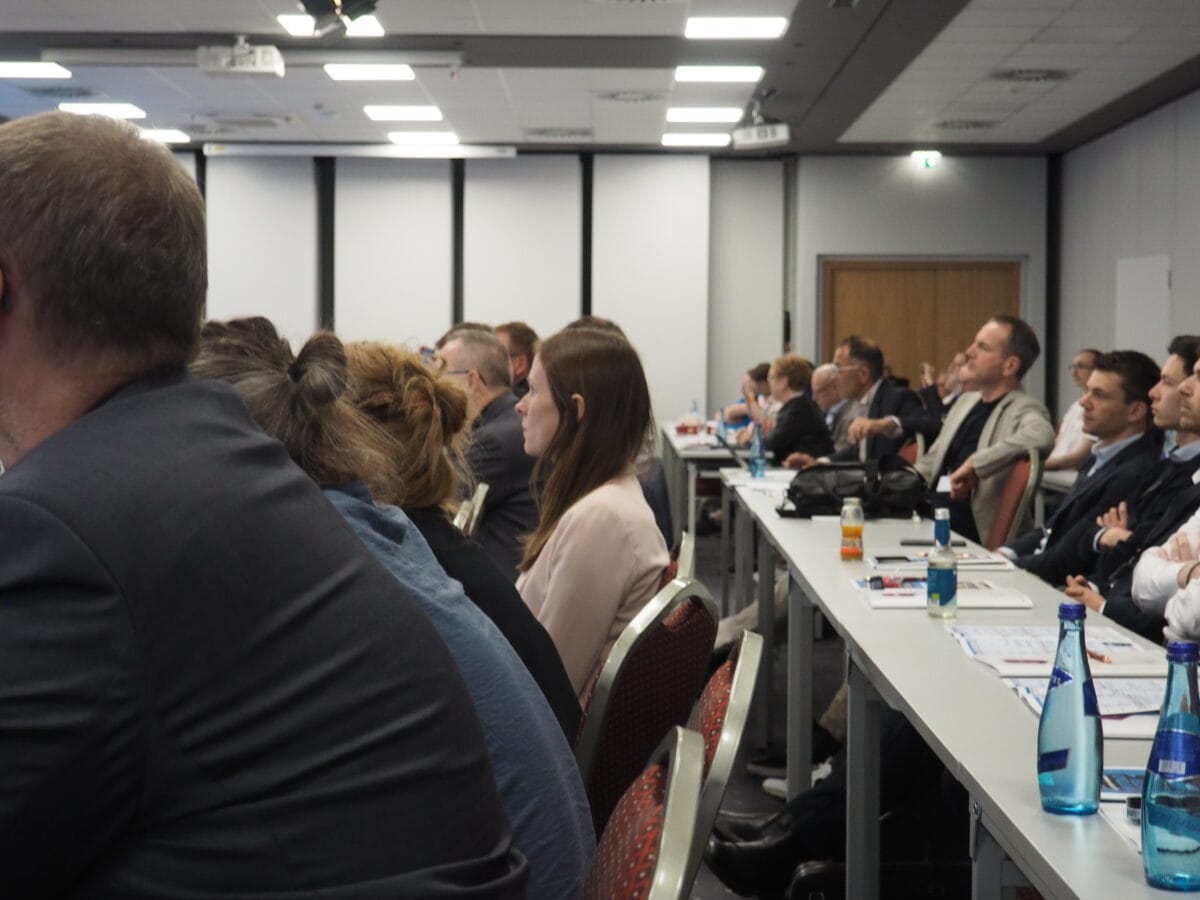
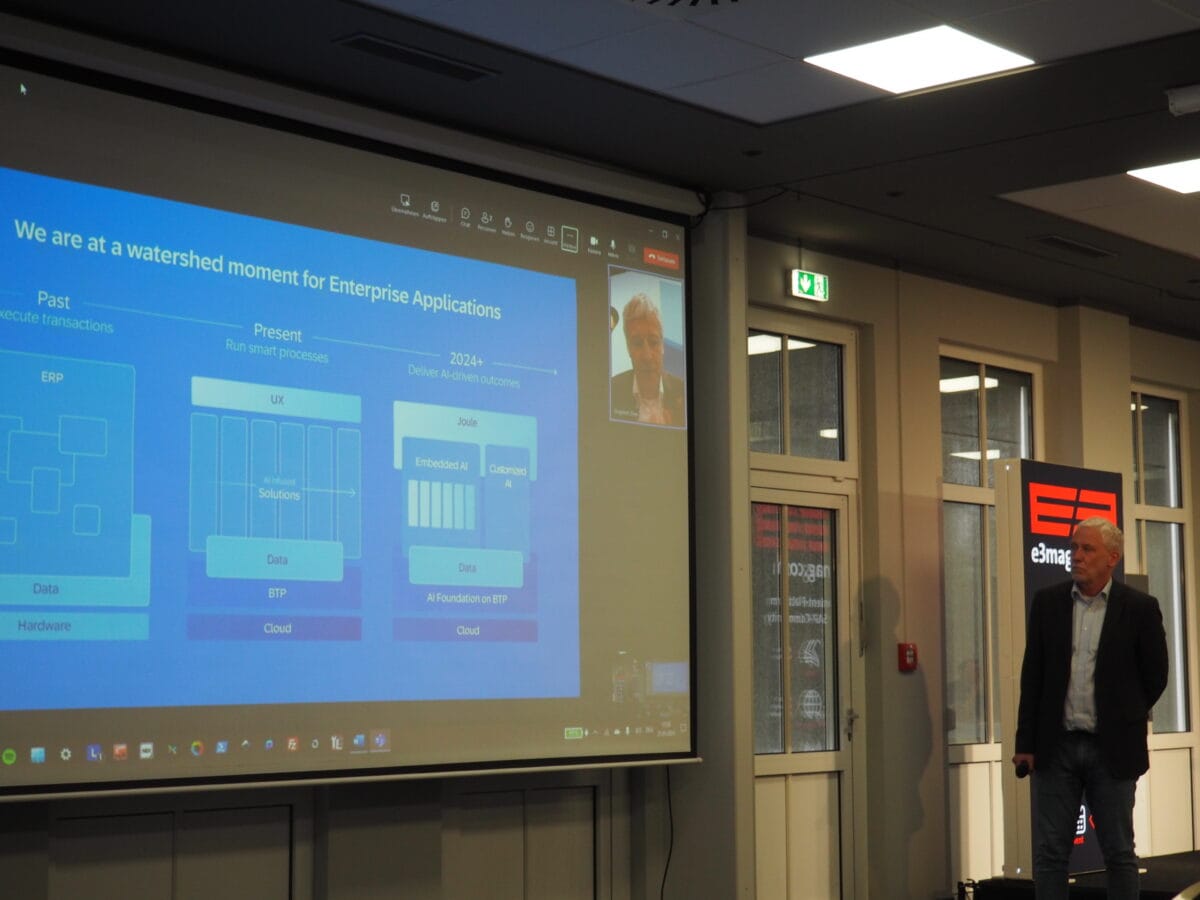
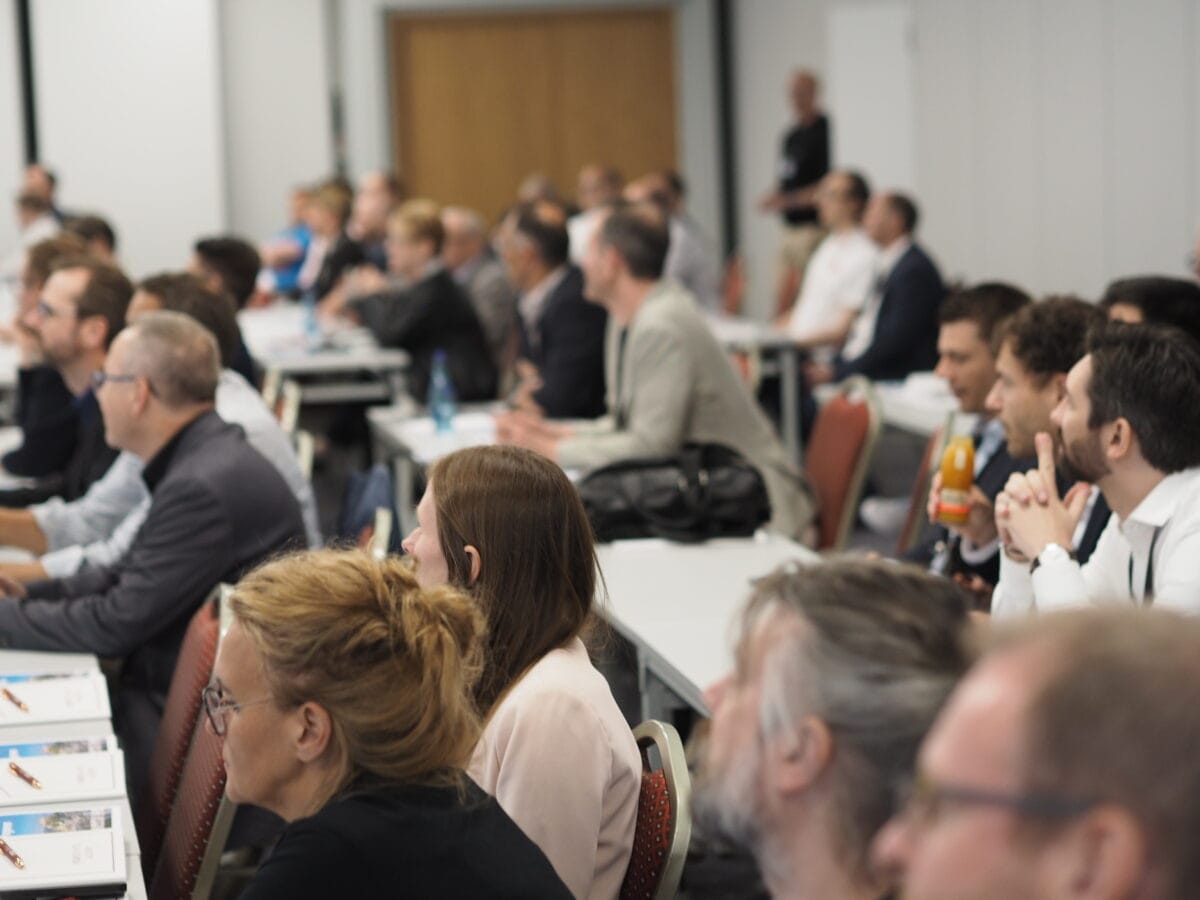
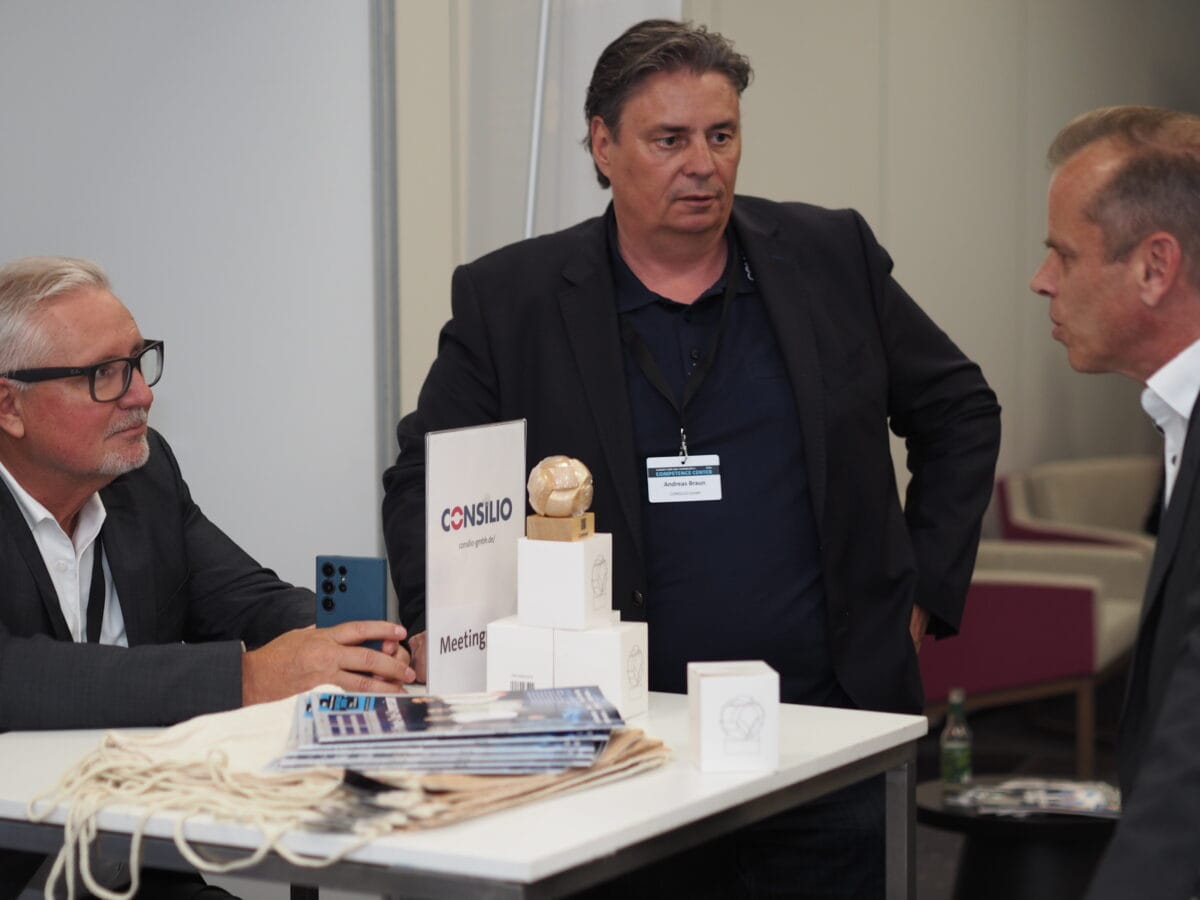
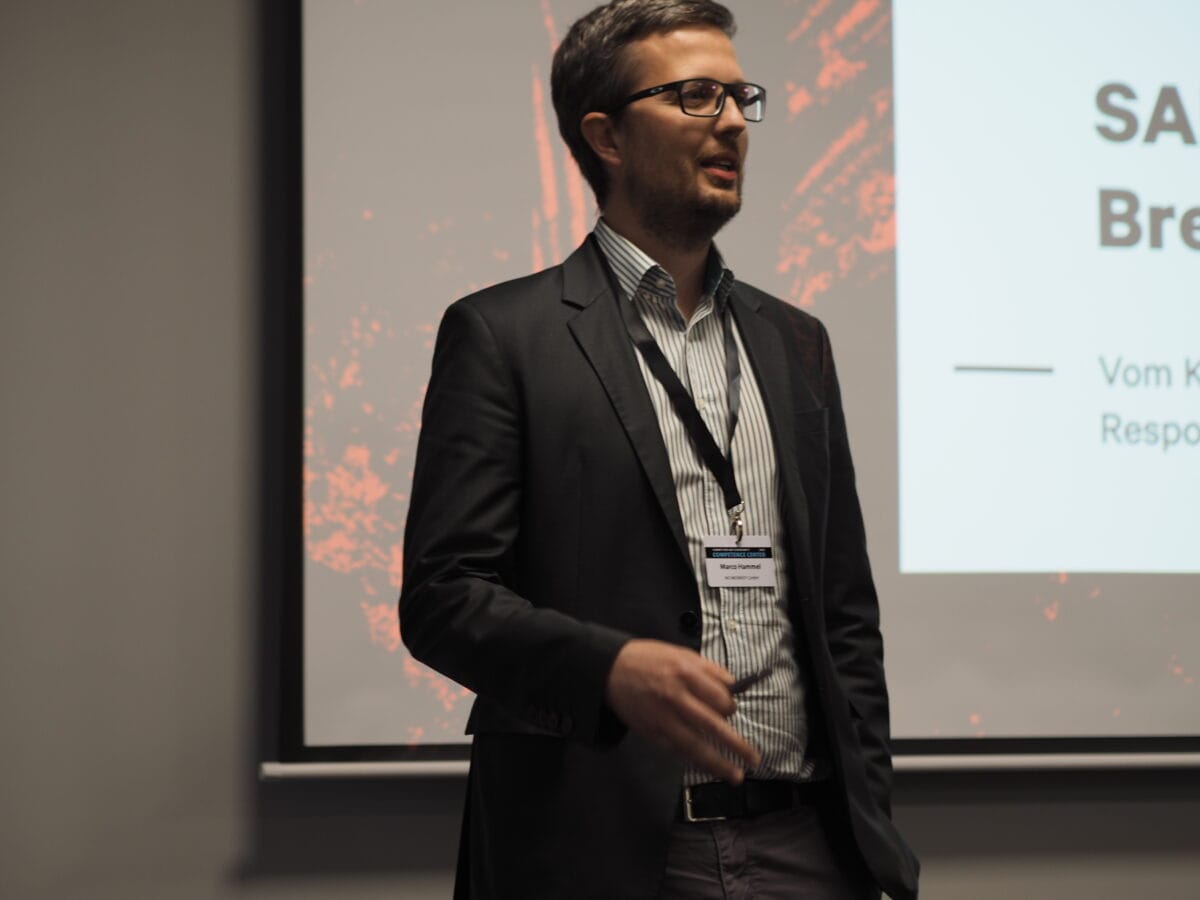
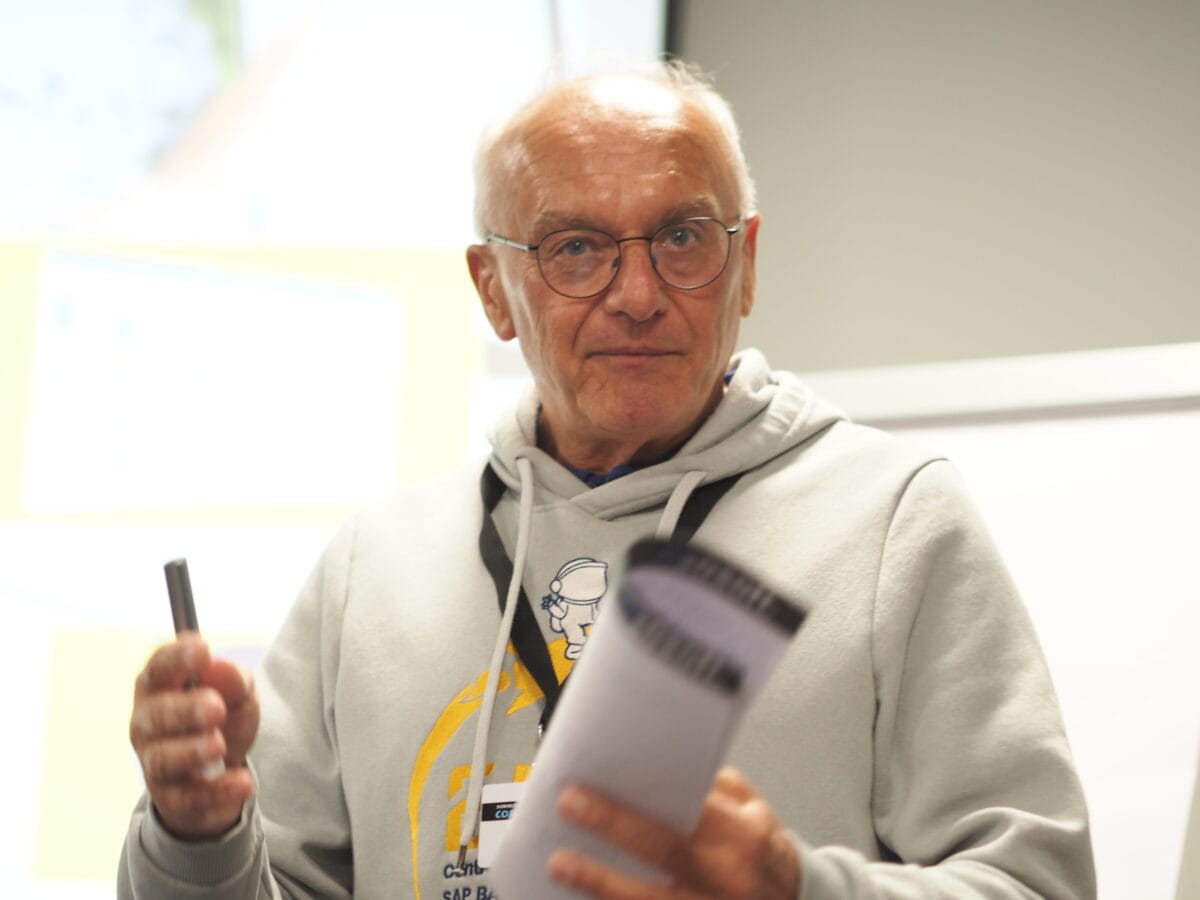
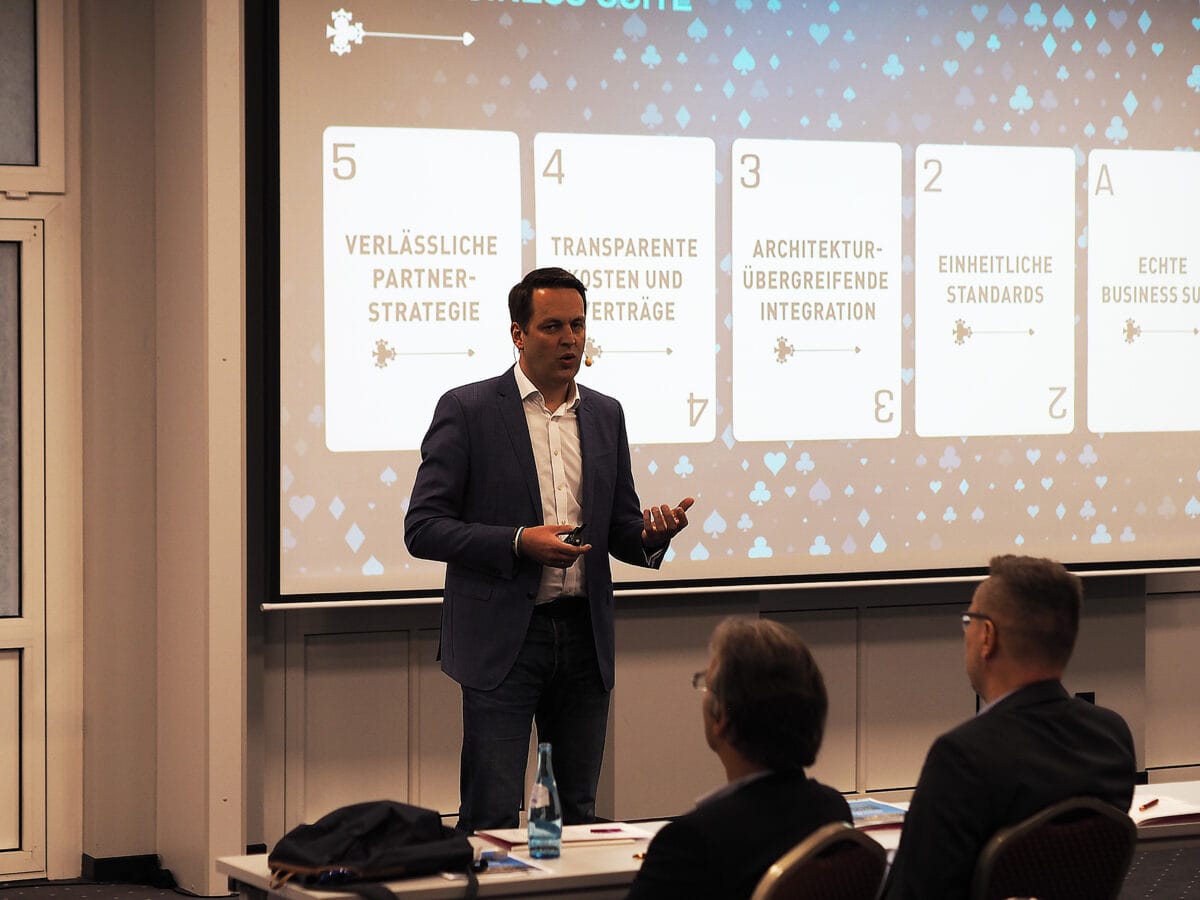
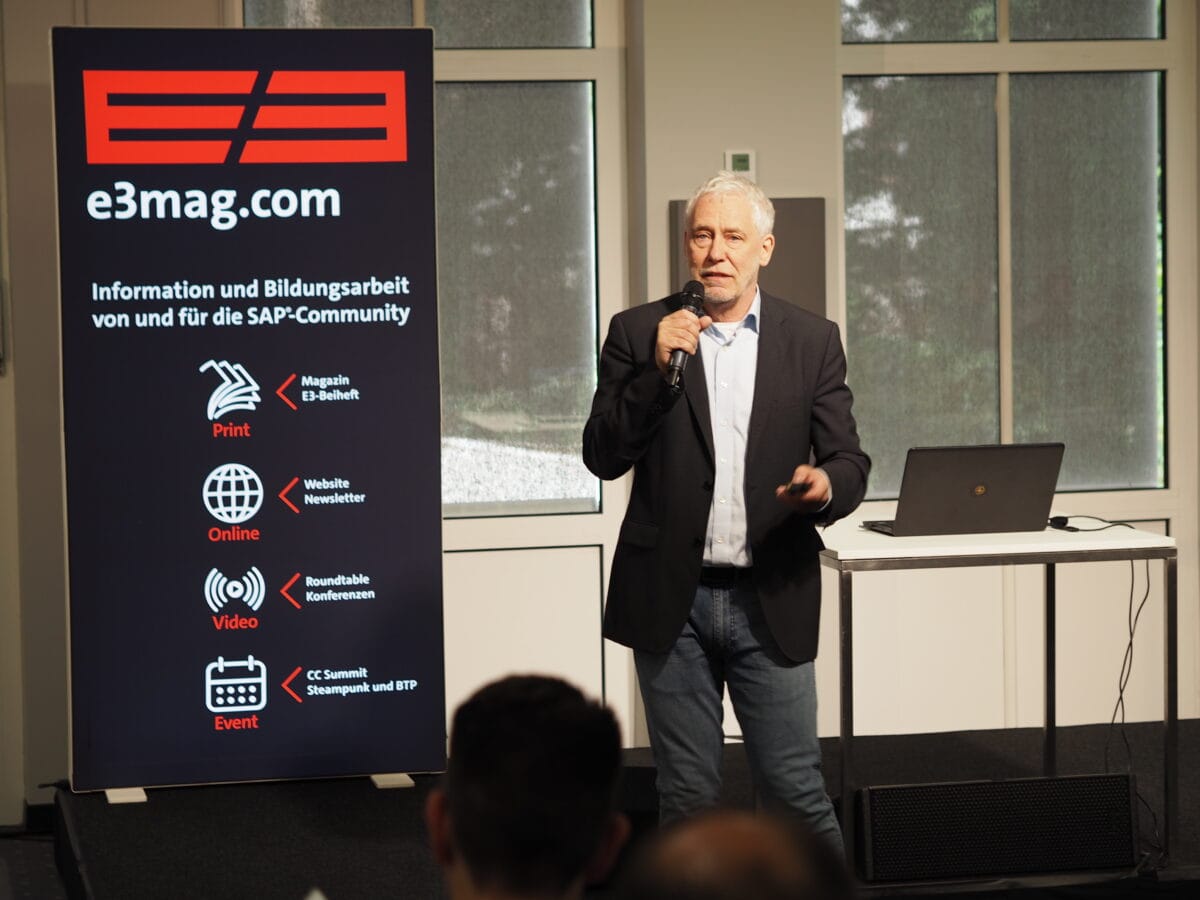
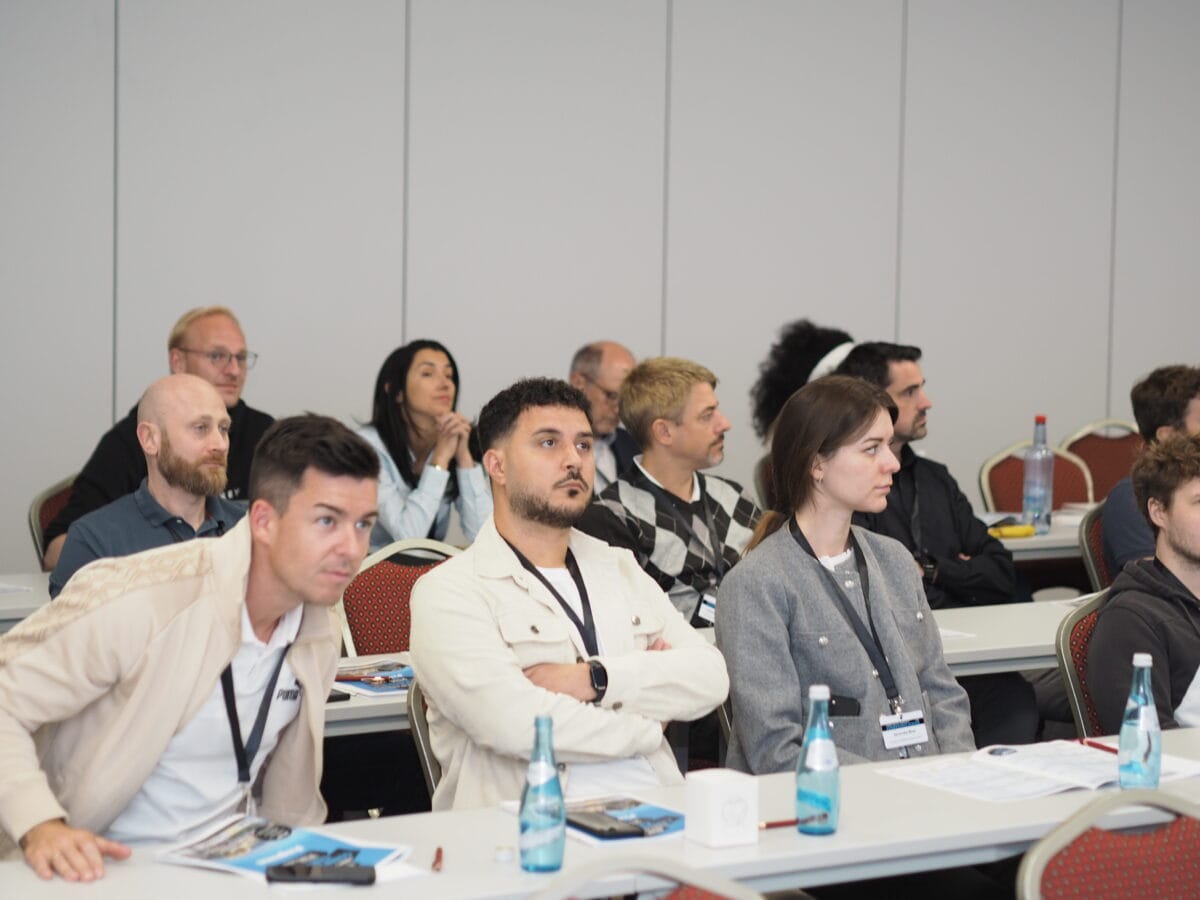
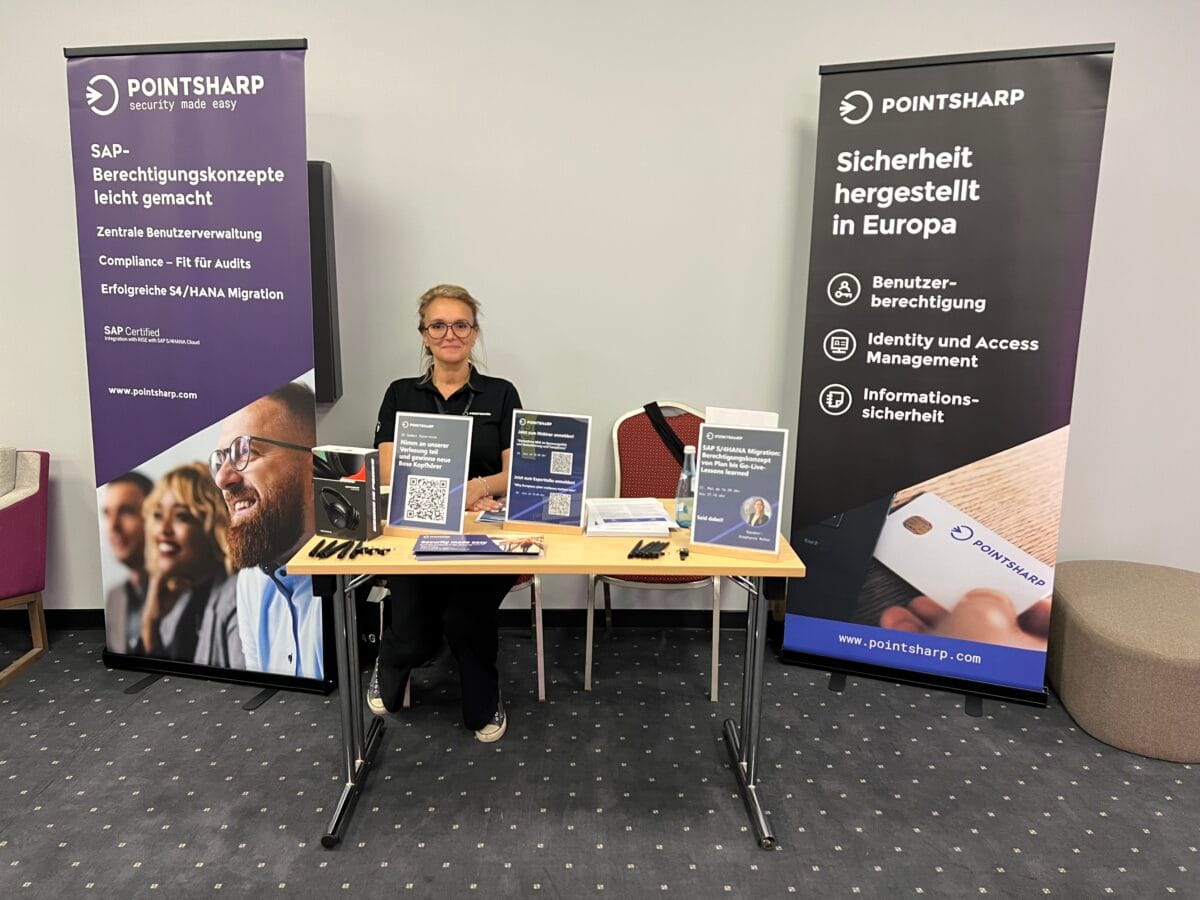
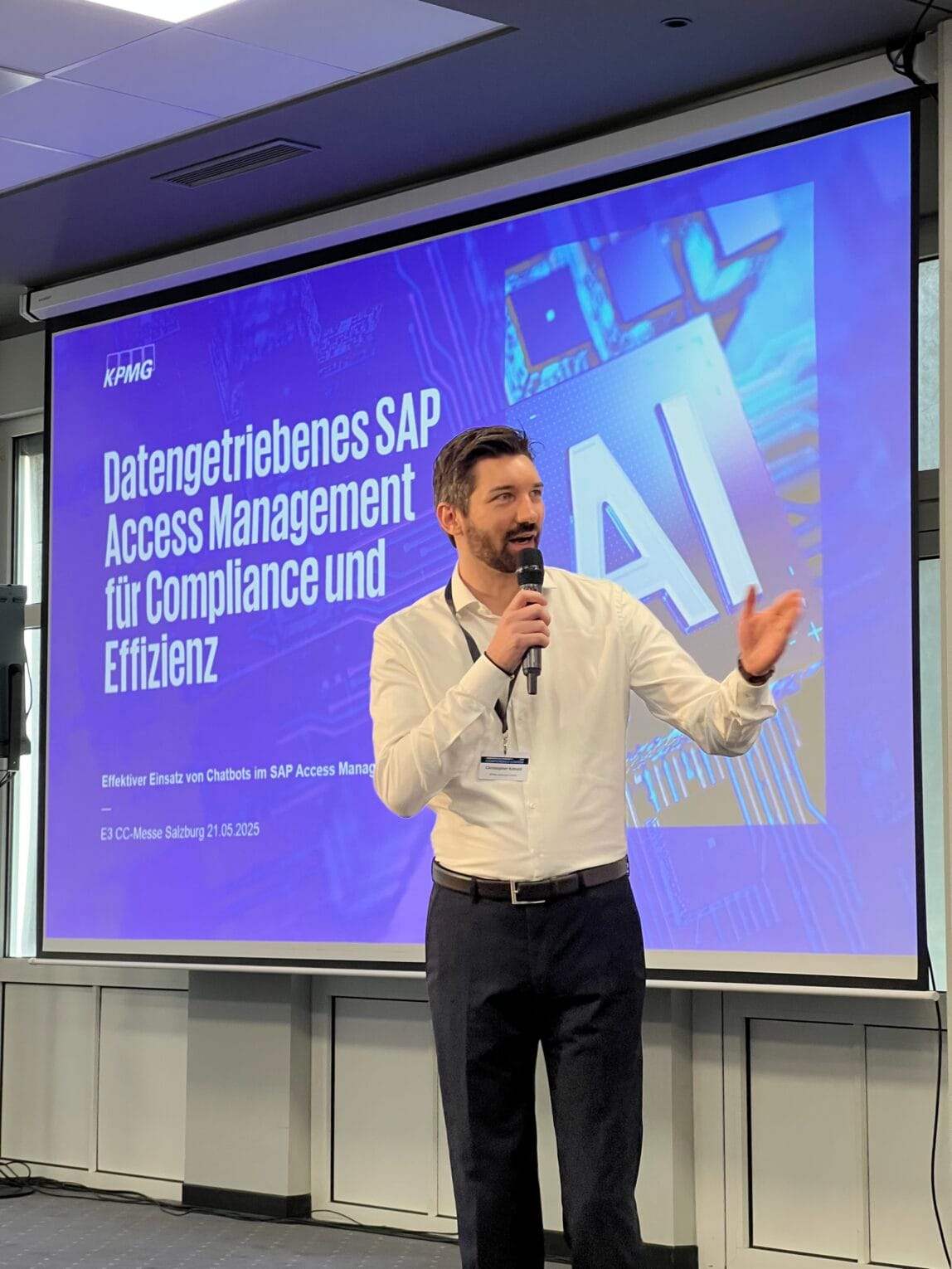
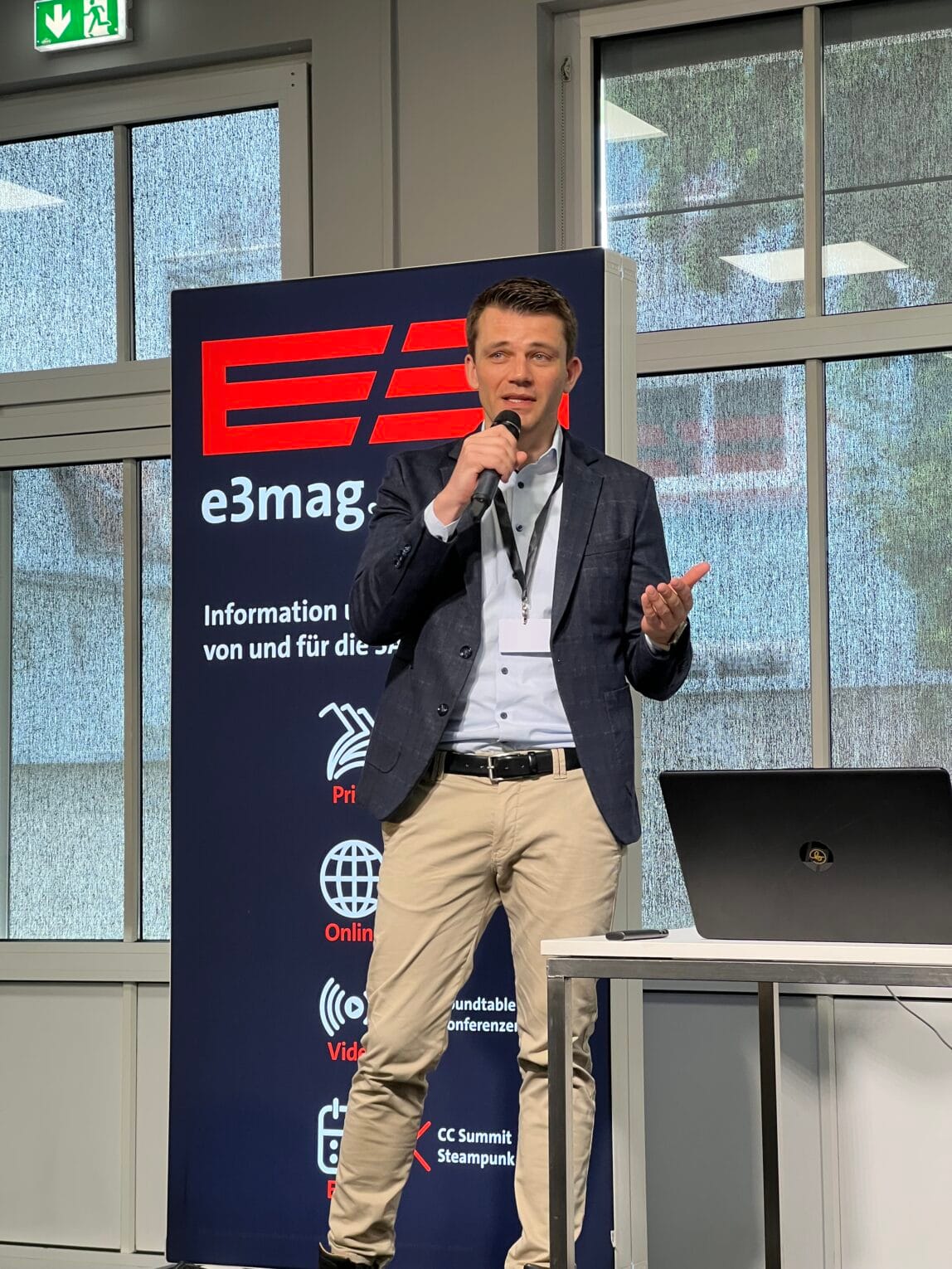
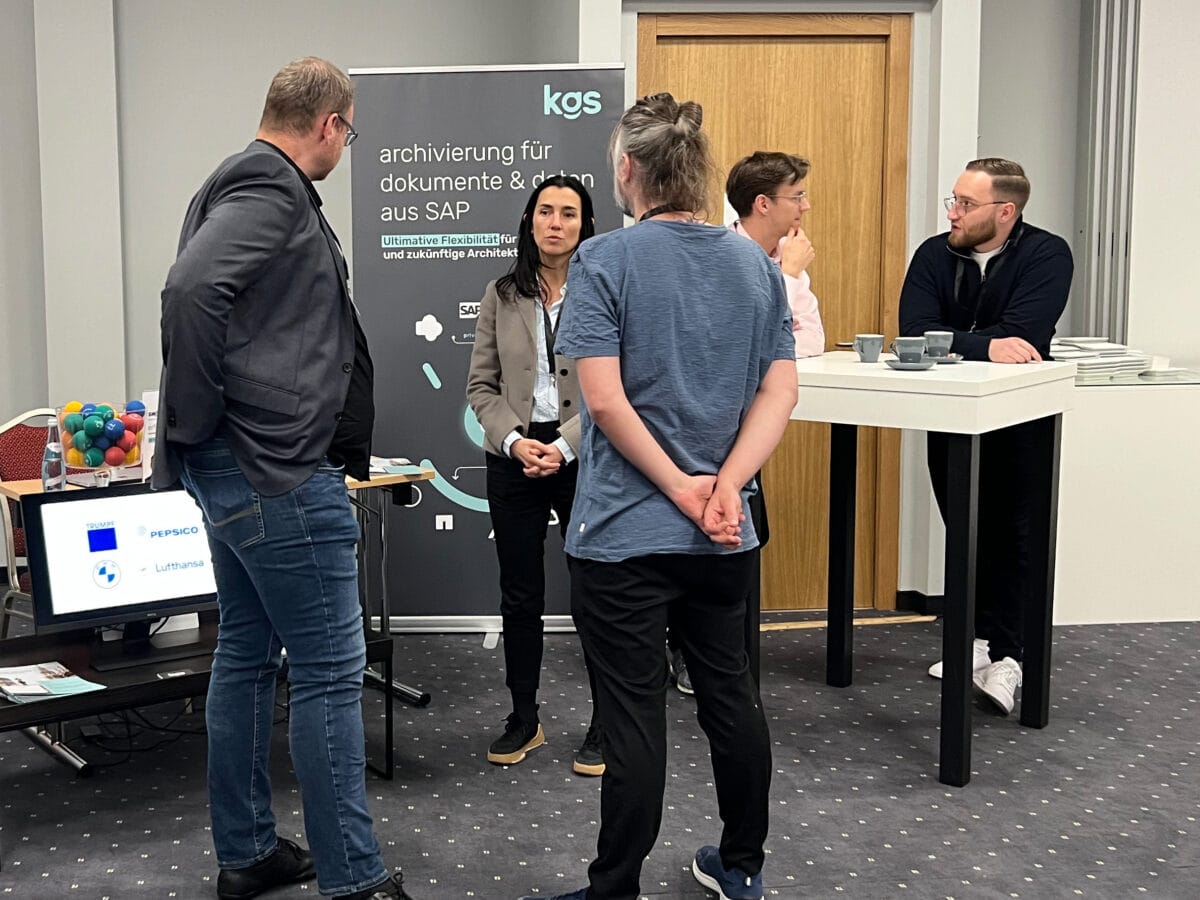
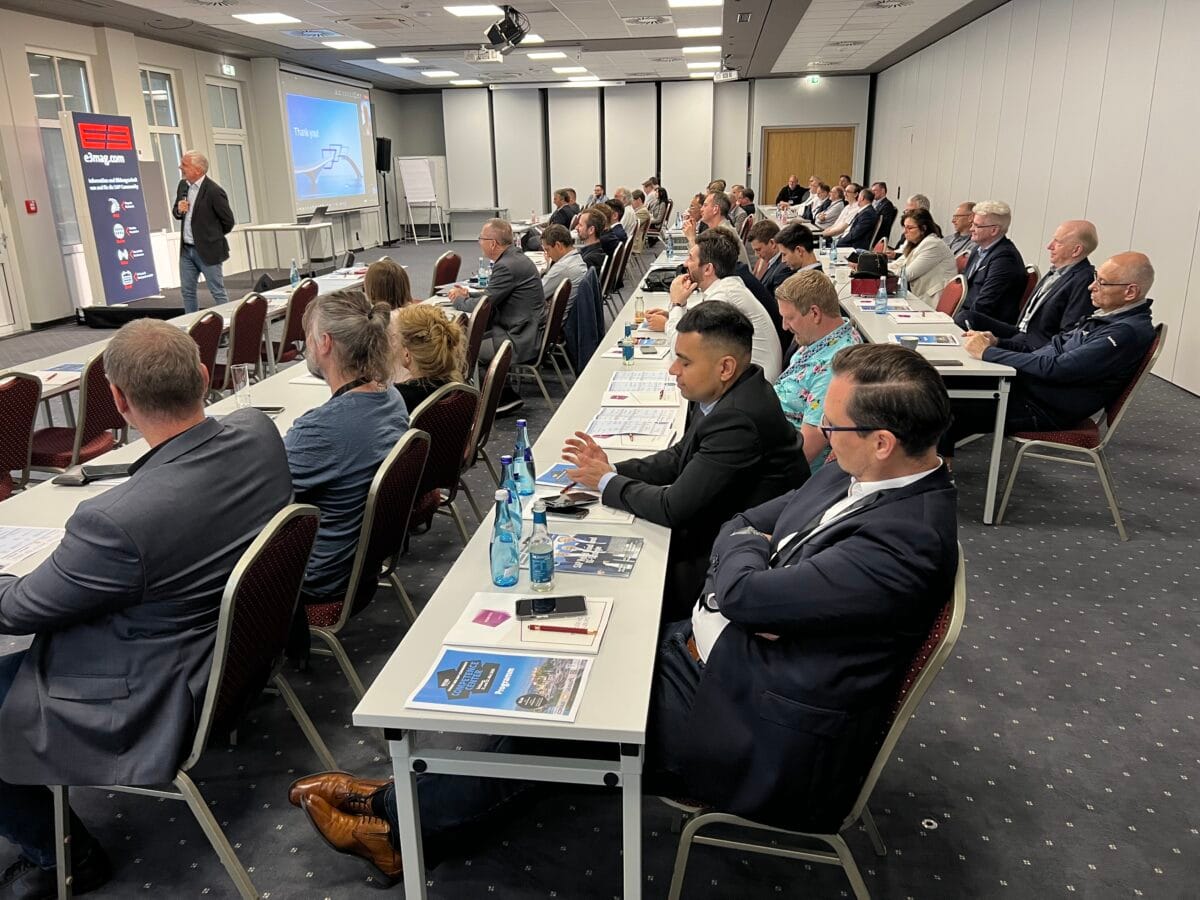
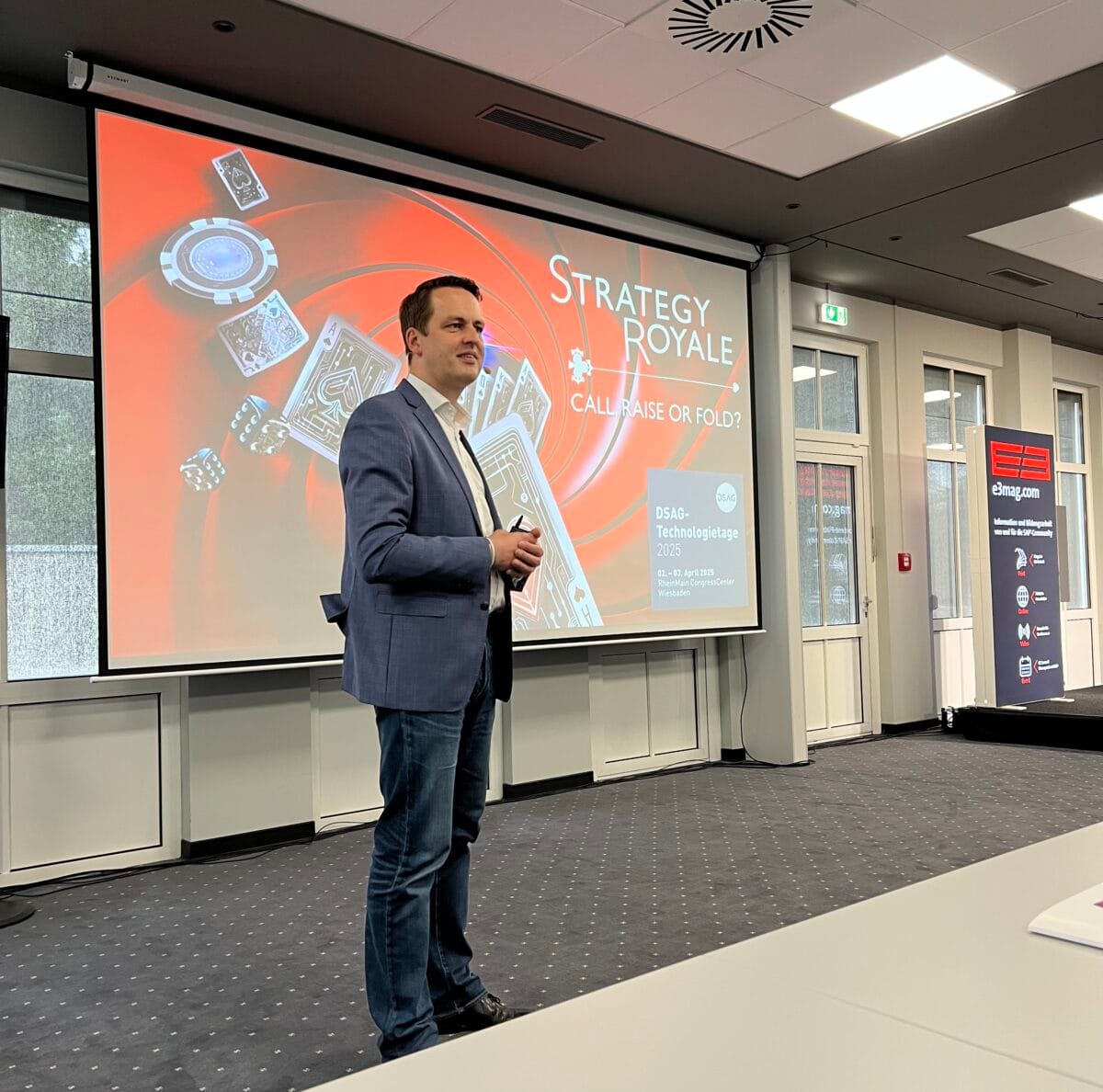
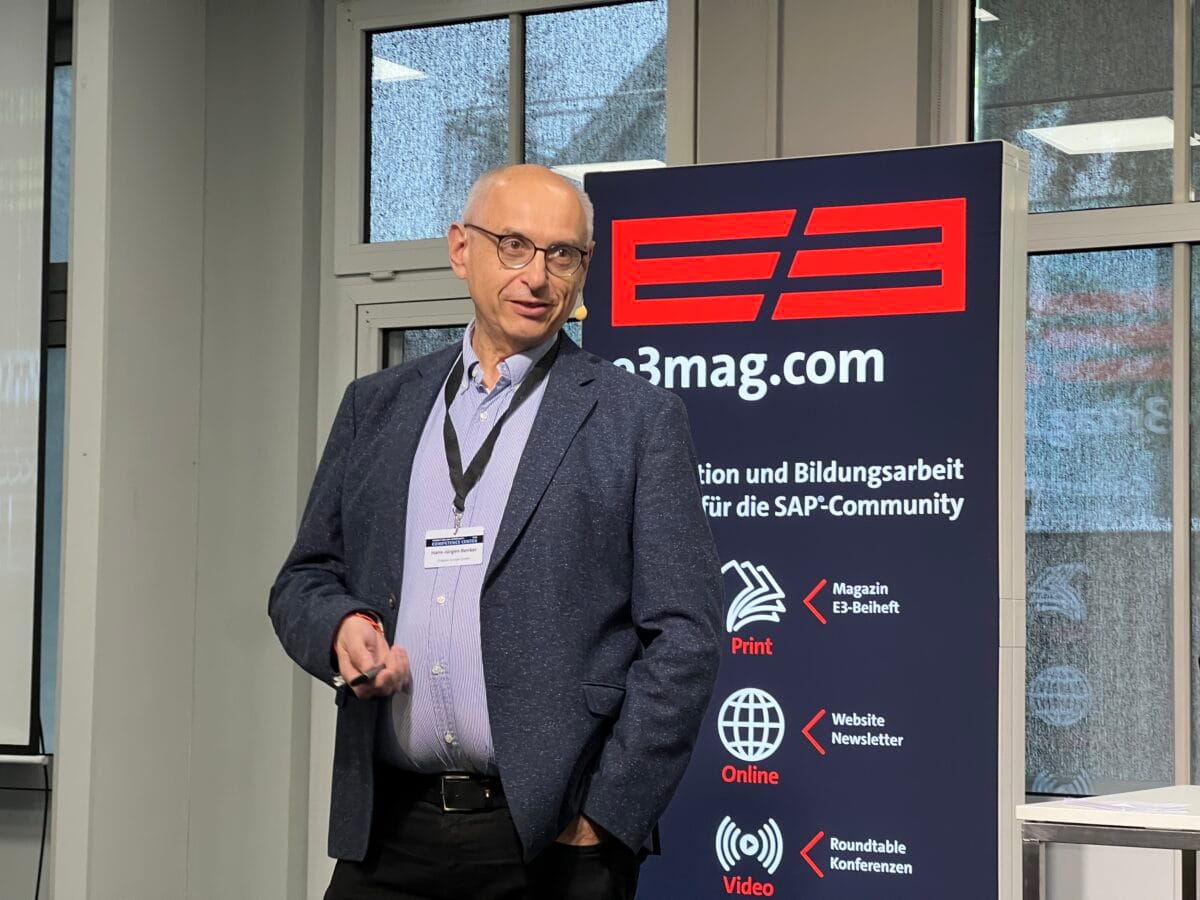
Picture gallery 2025

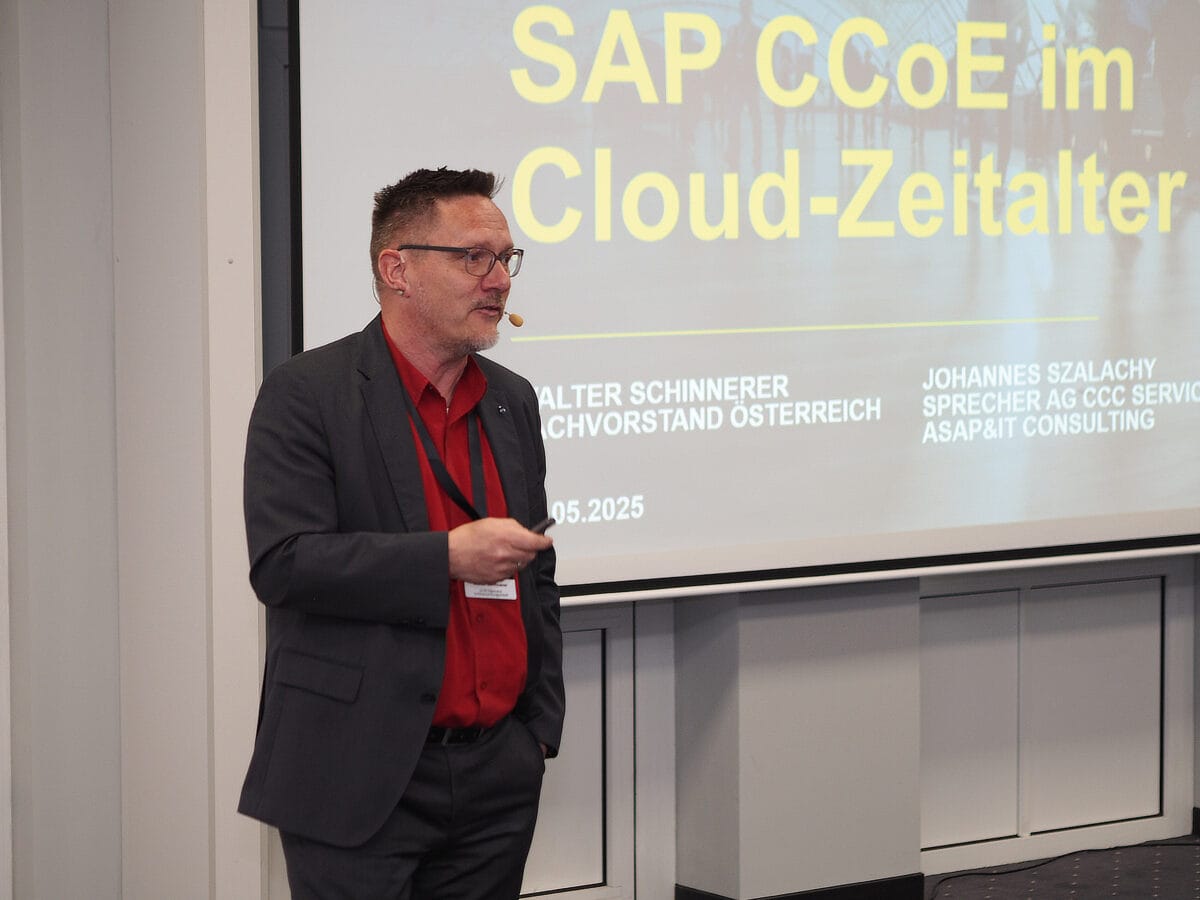
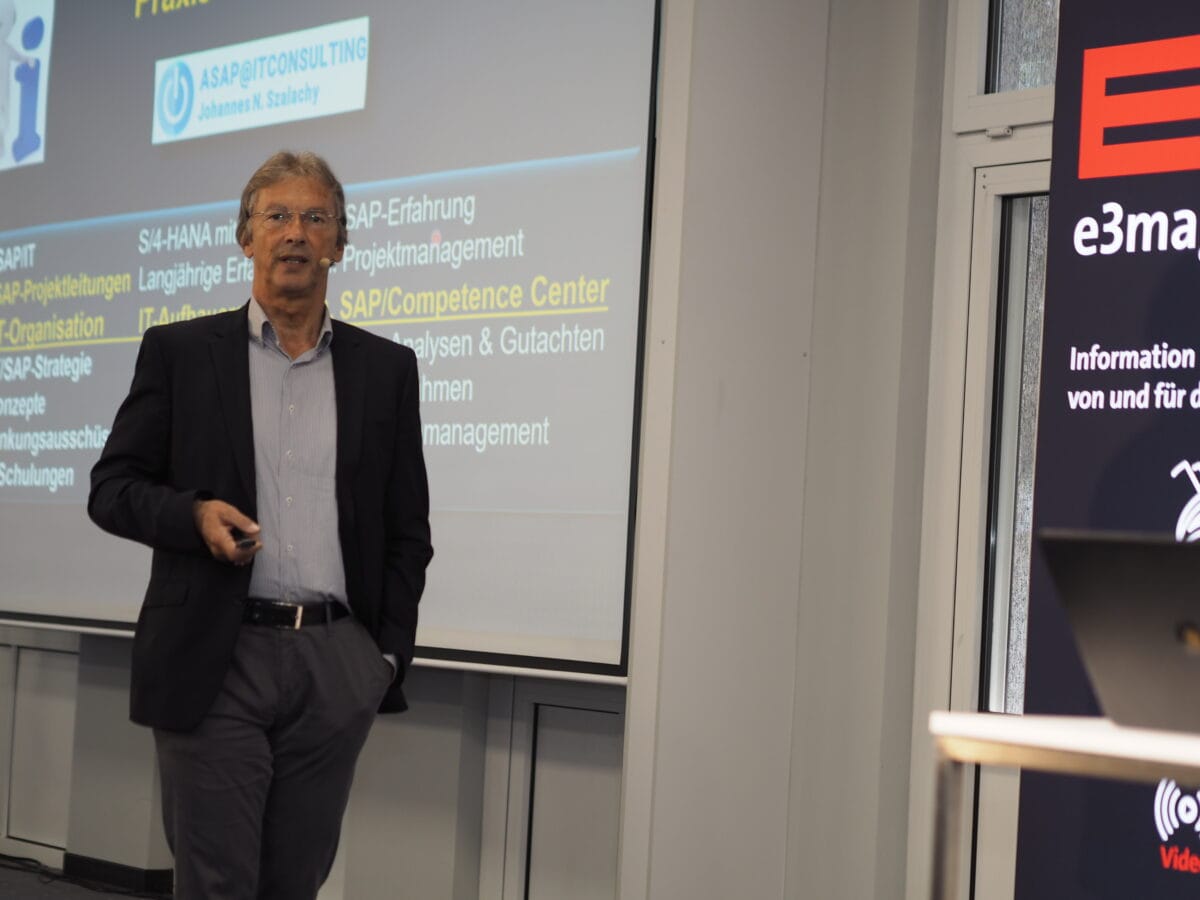
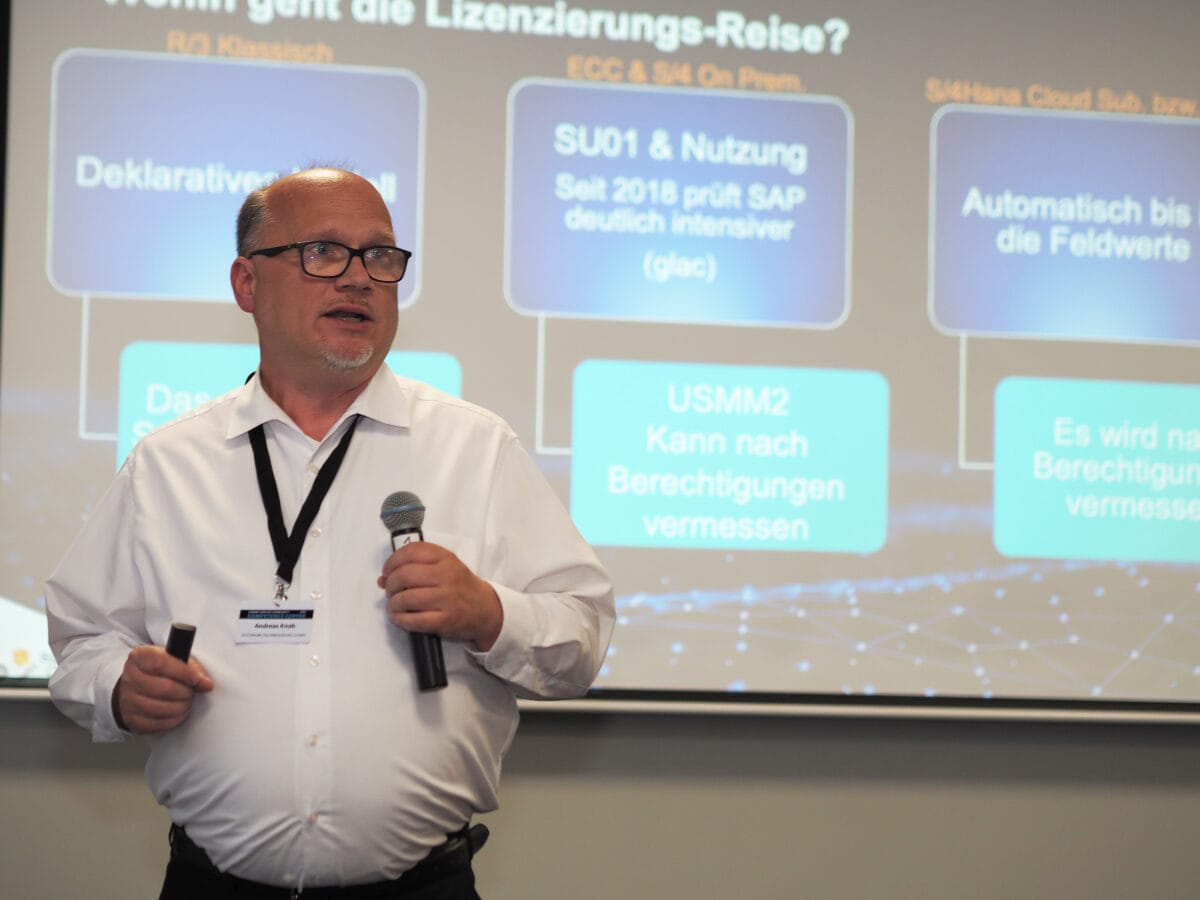
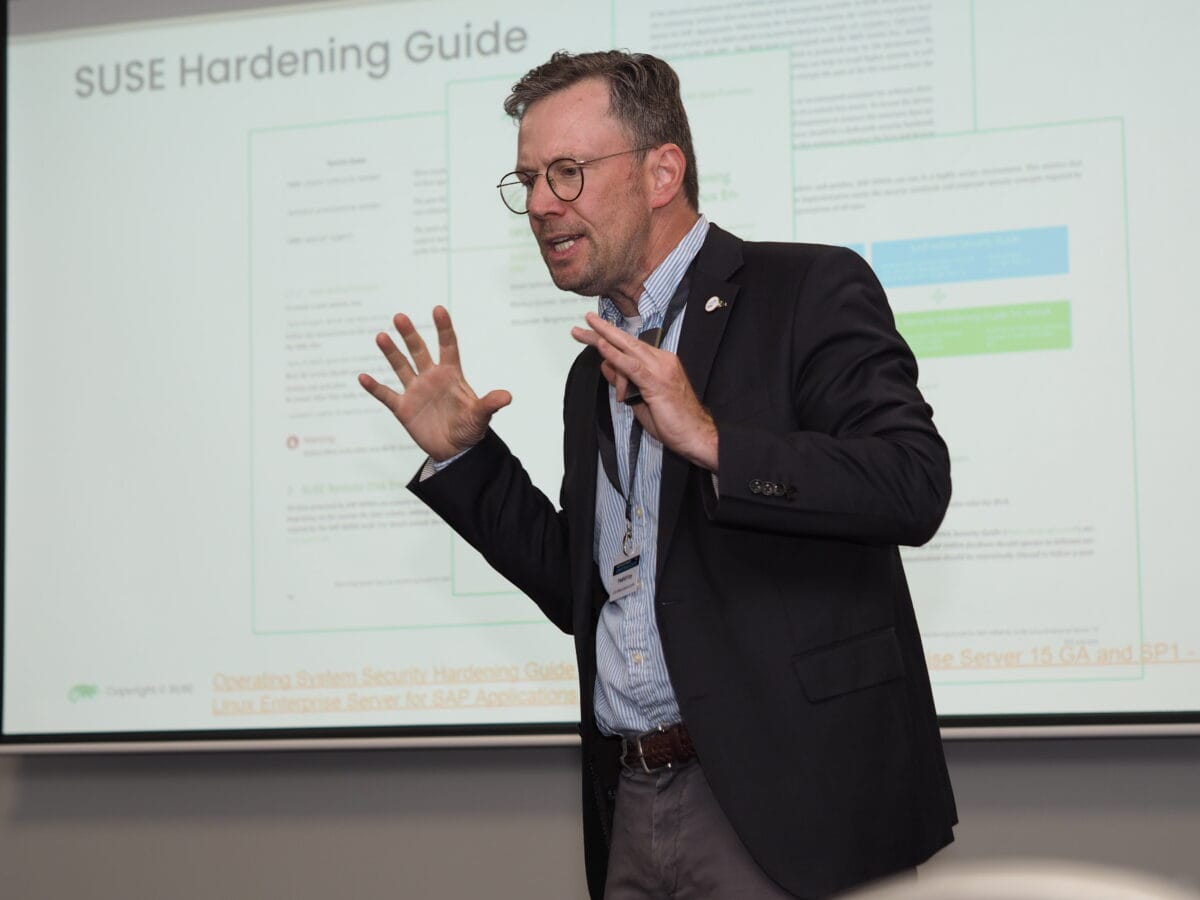
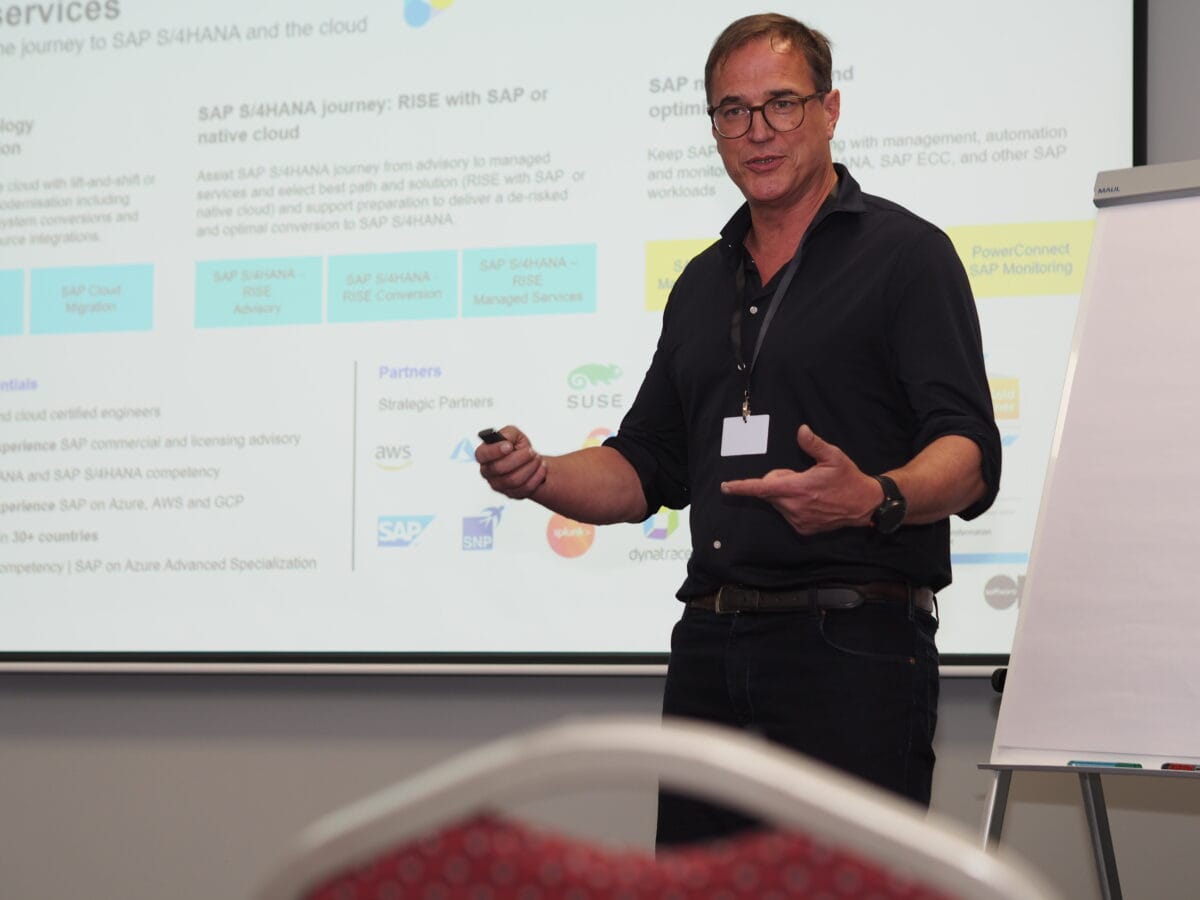
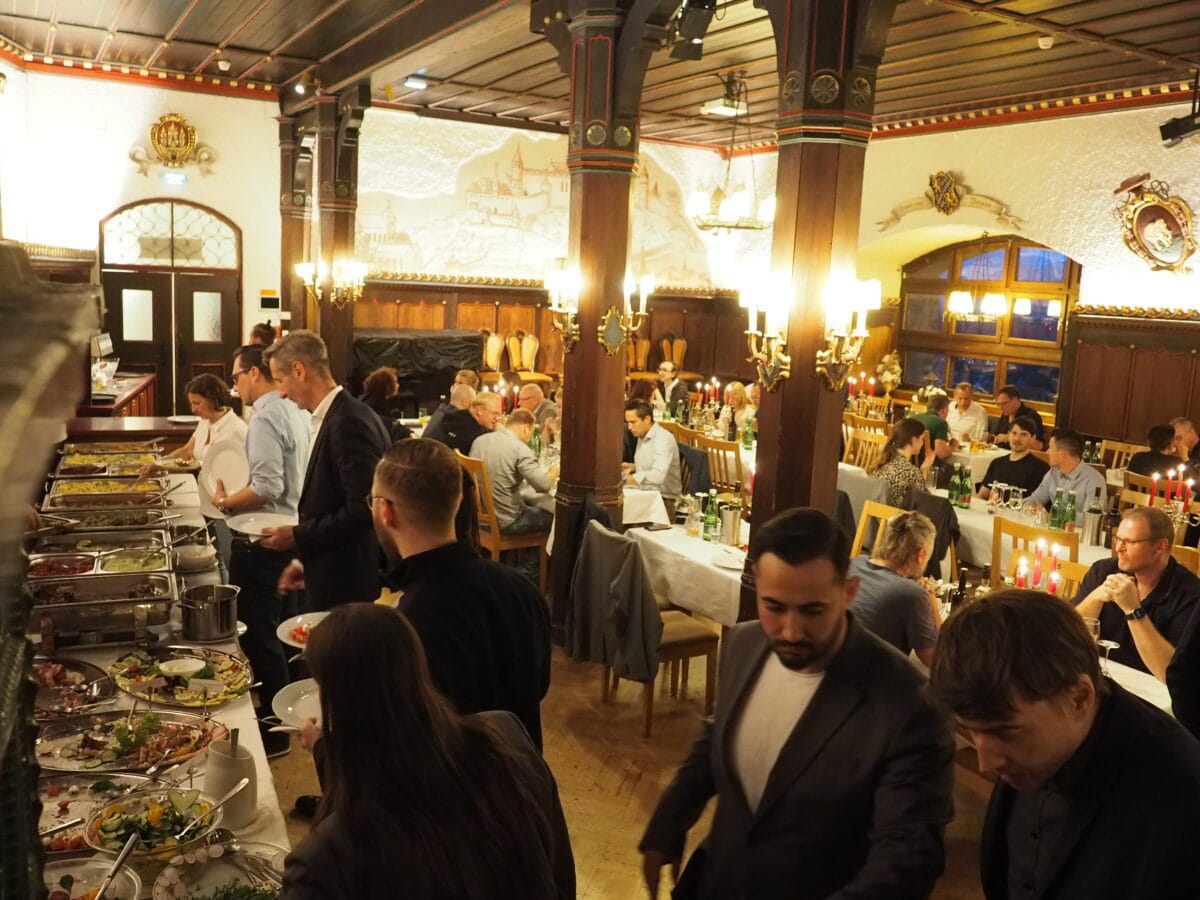
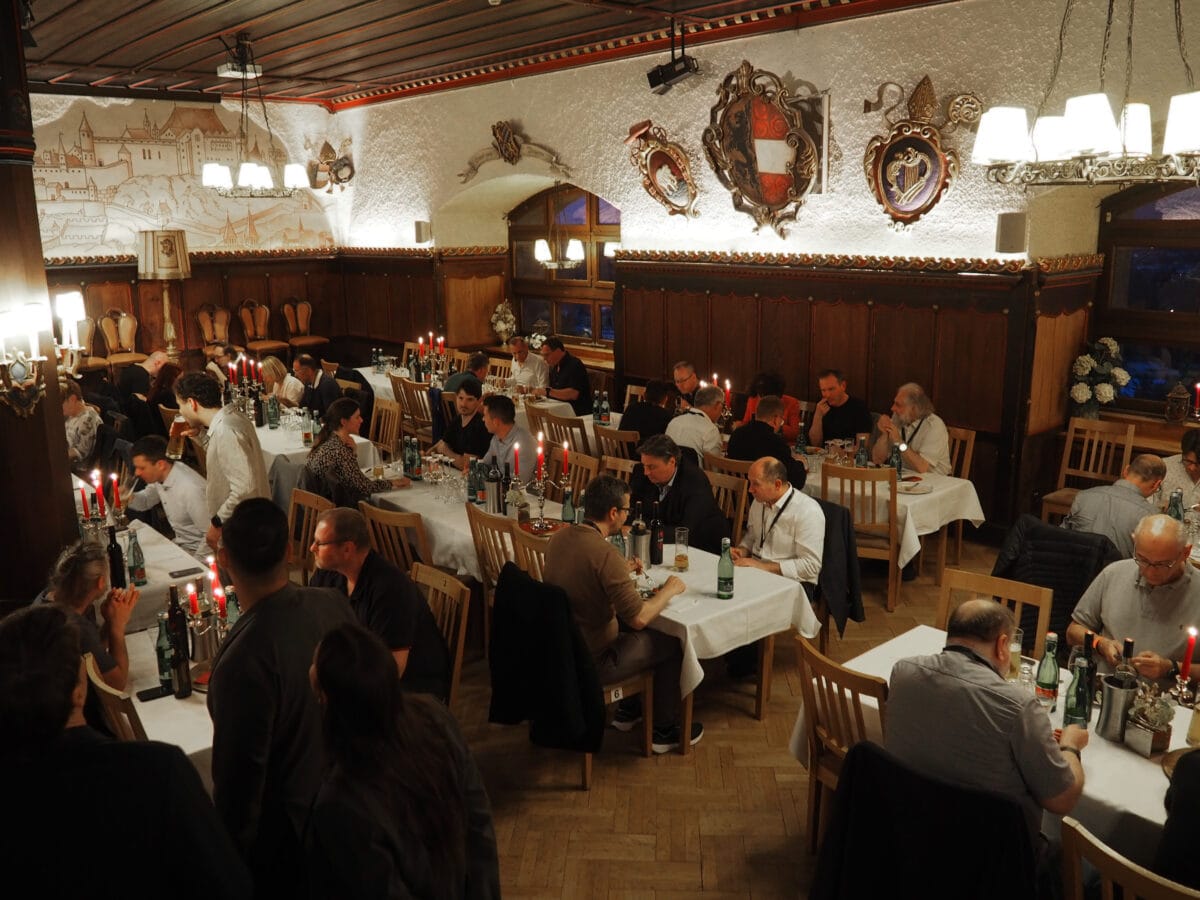
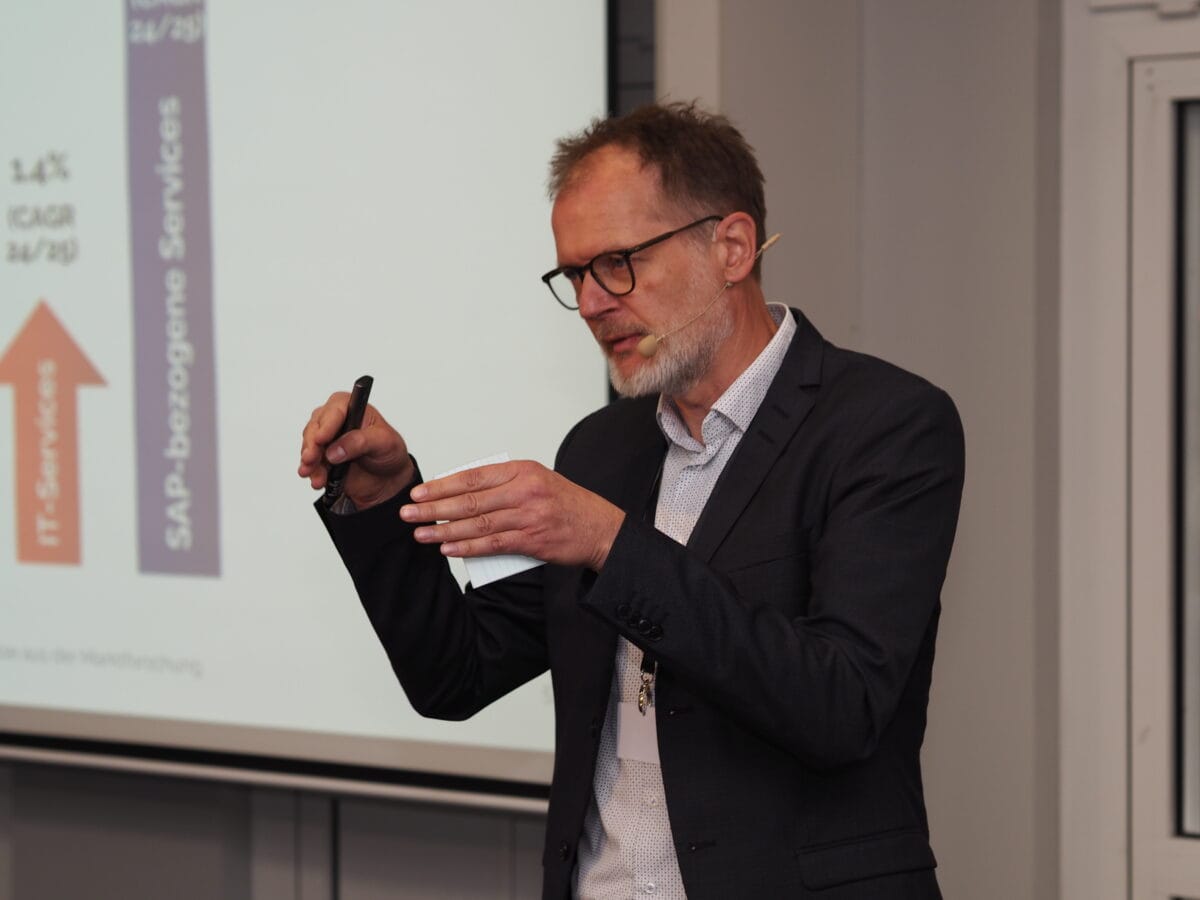
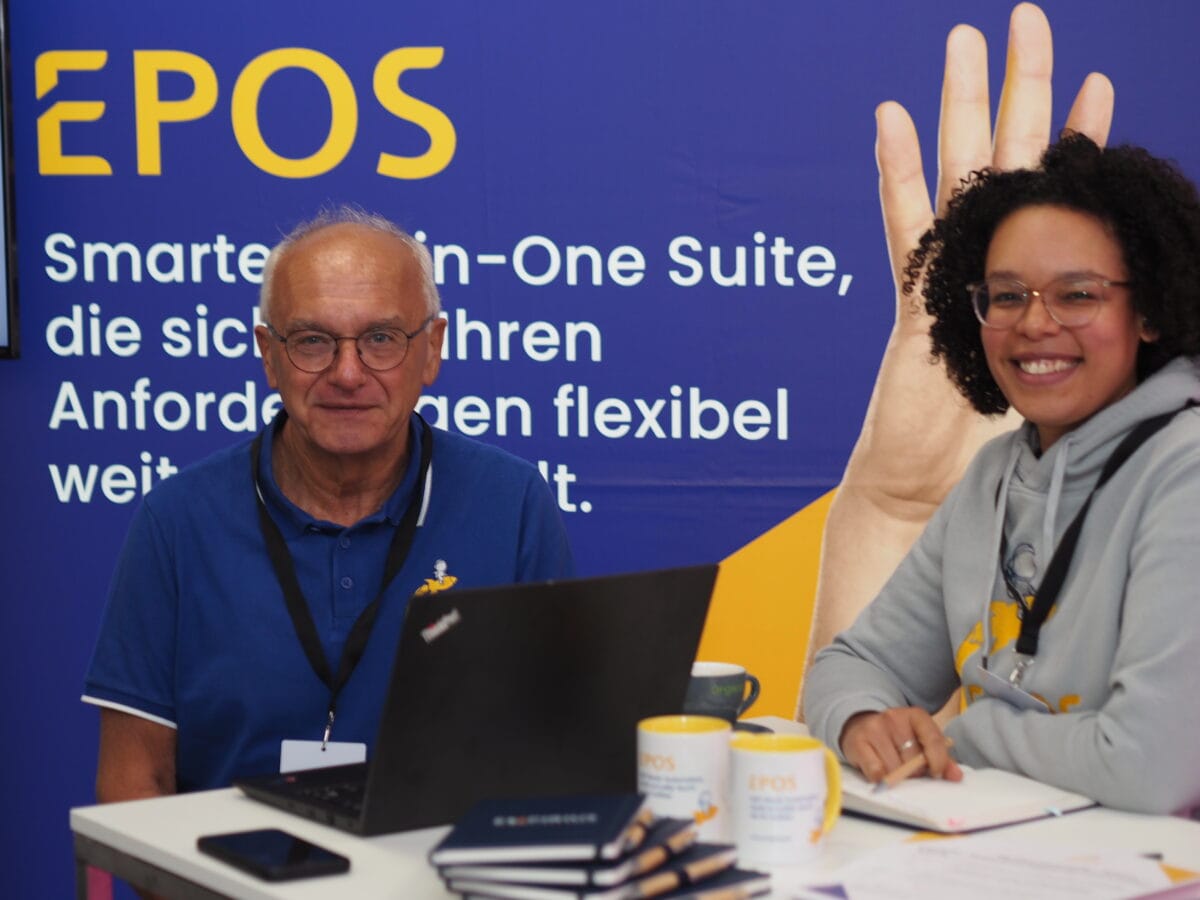
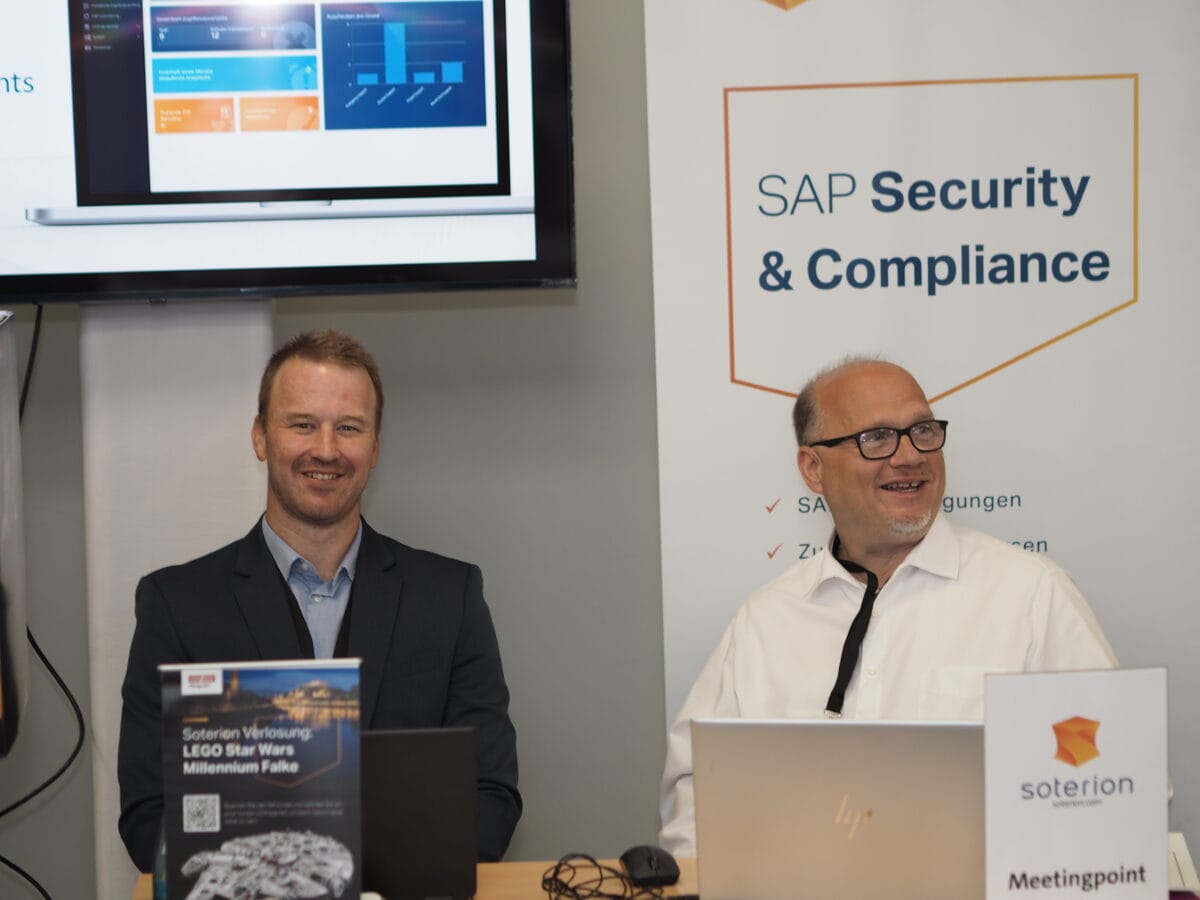
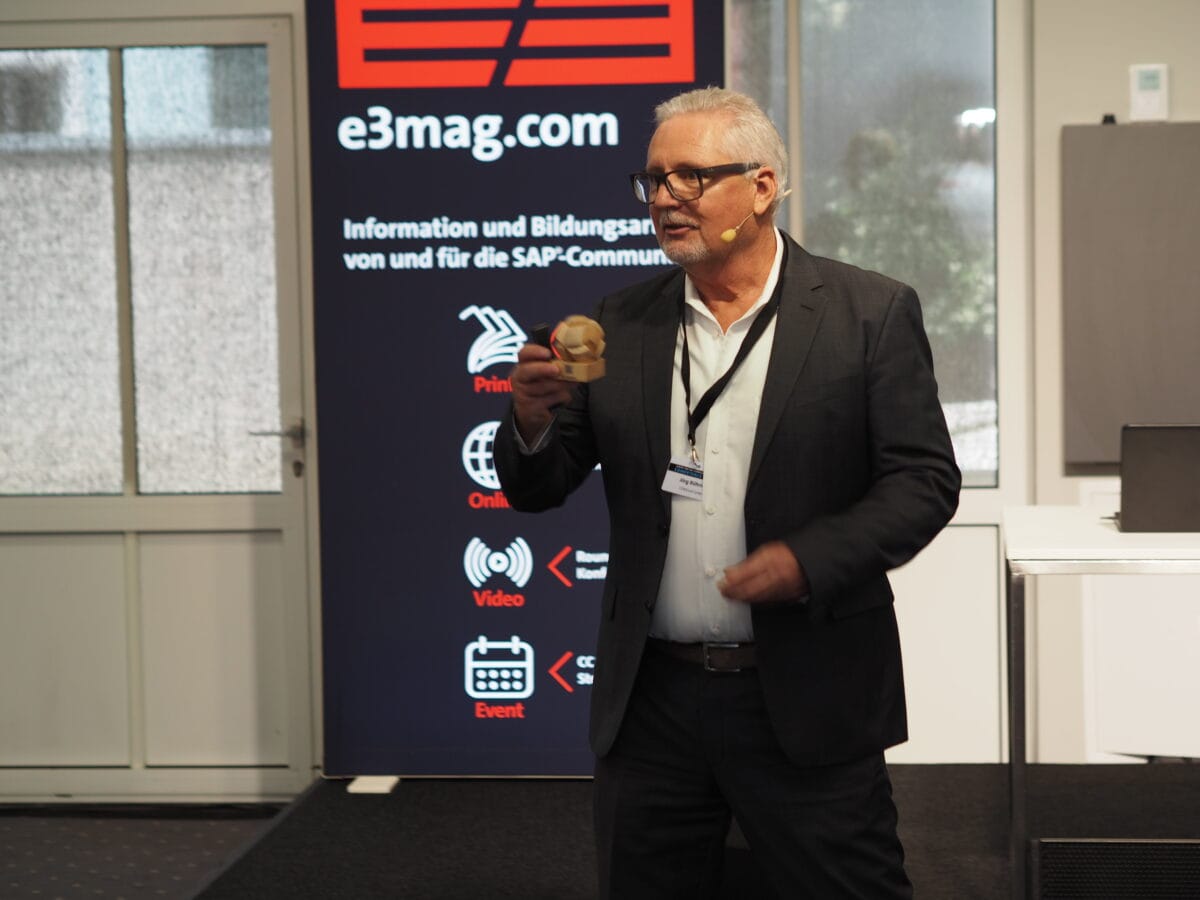
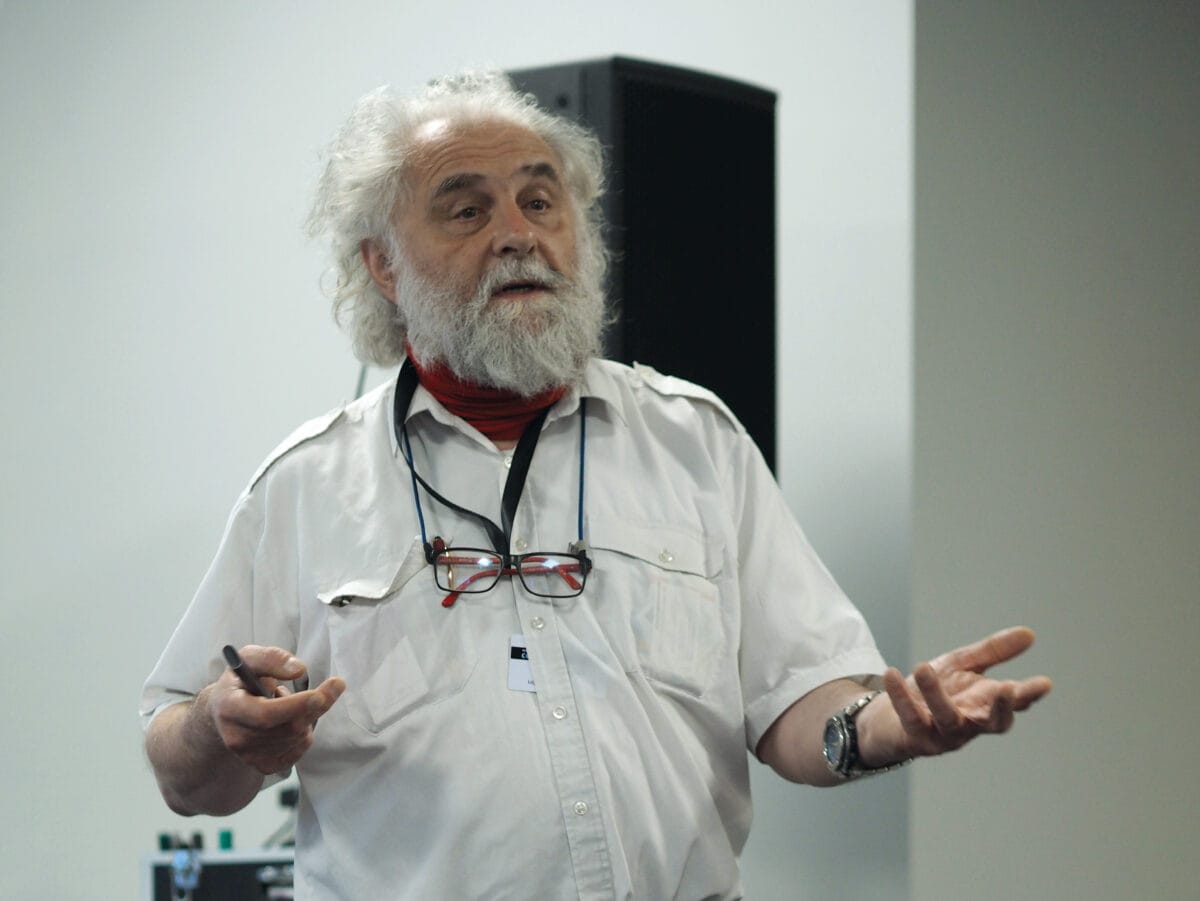
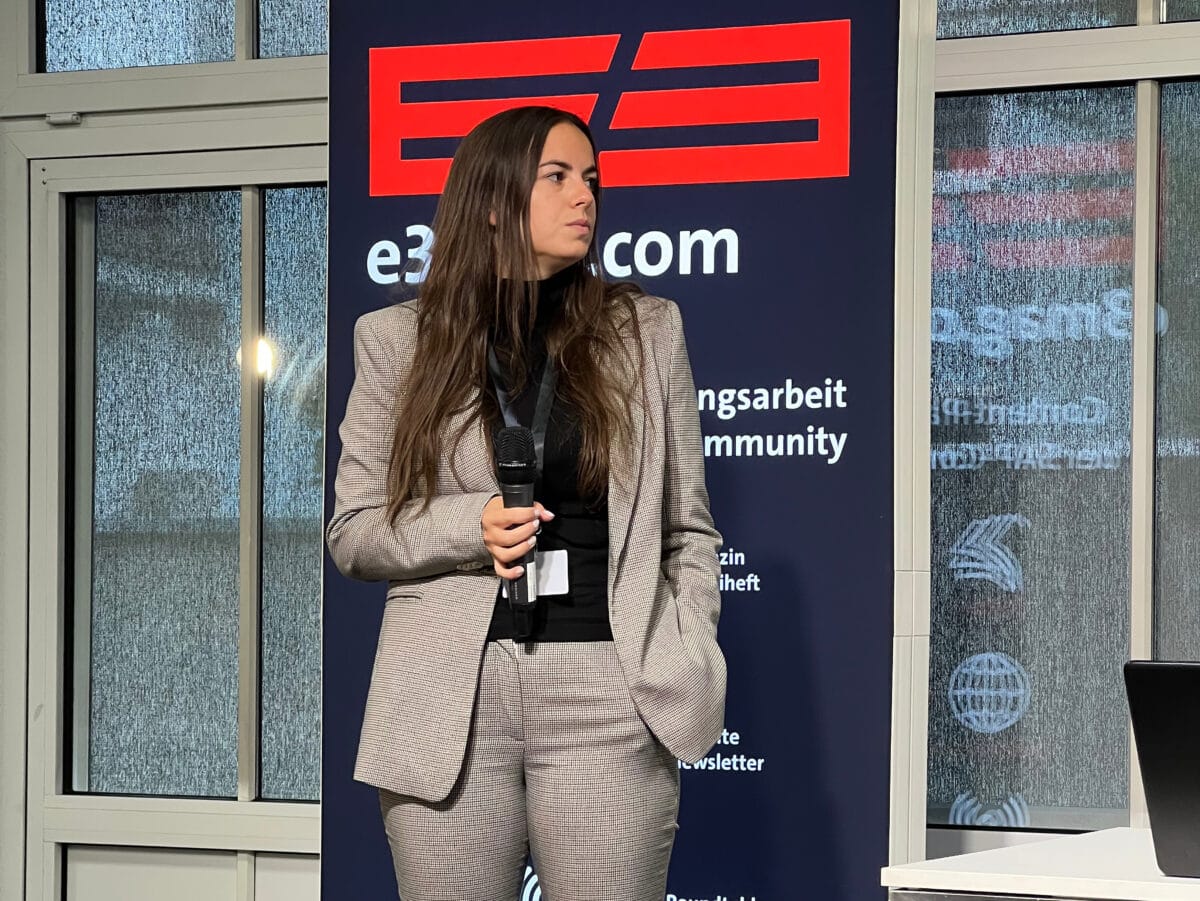
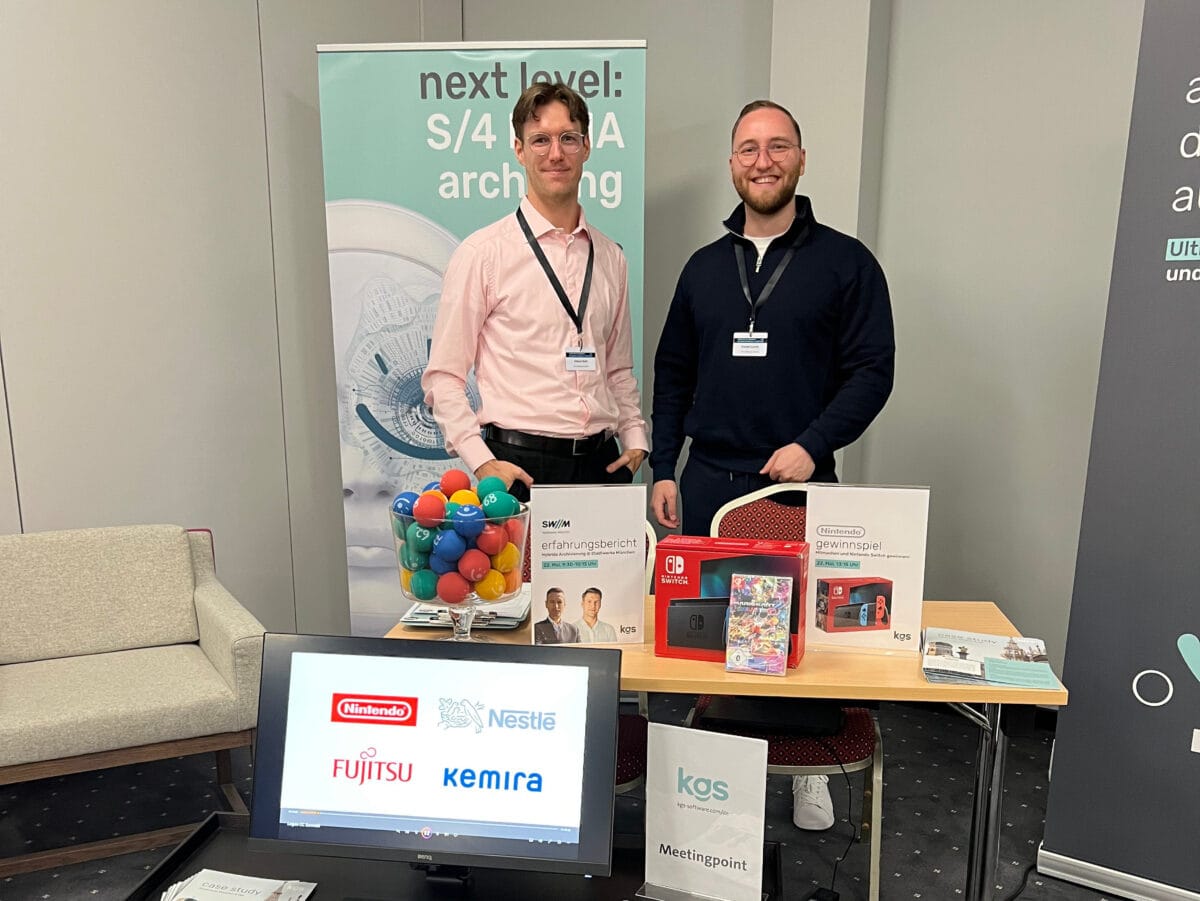
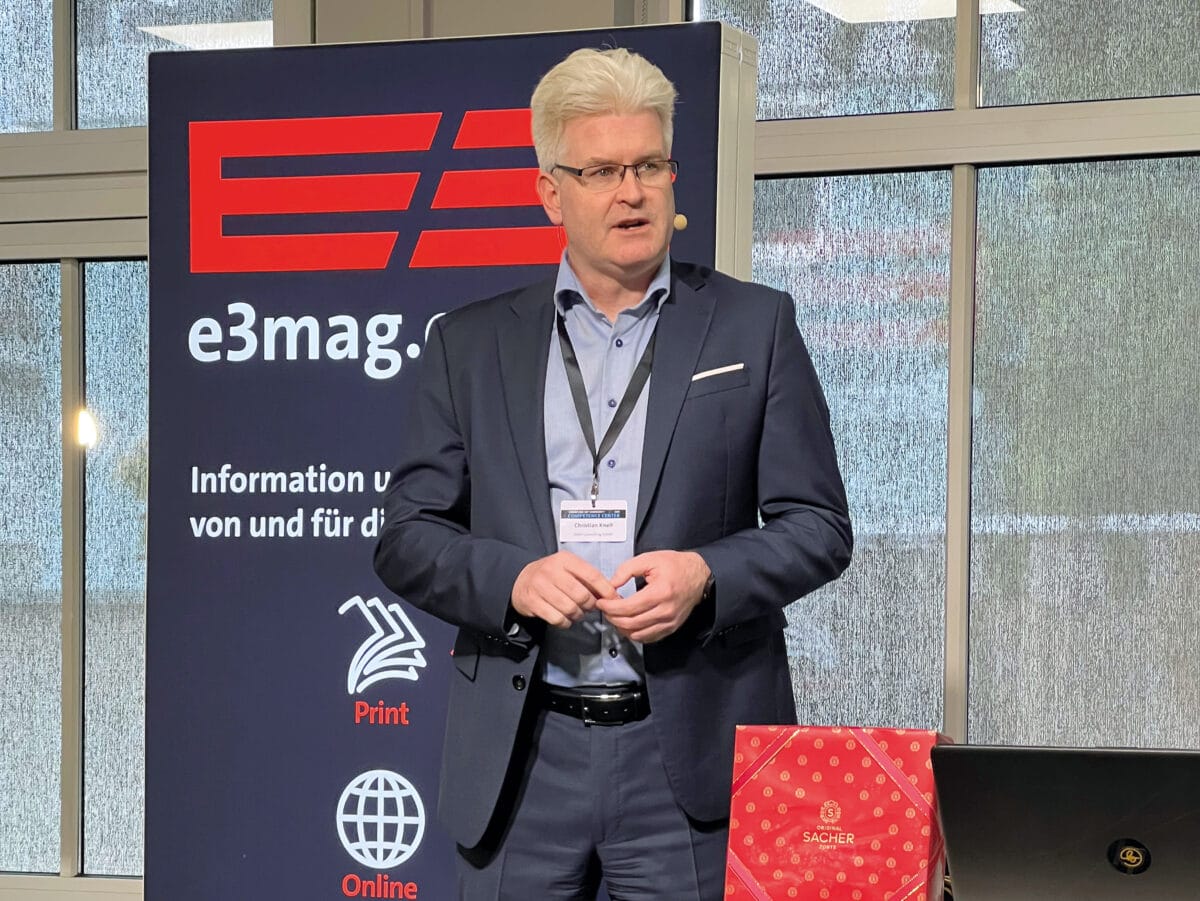
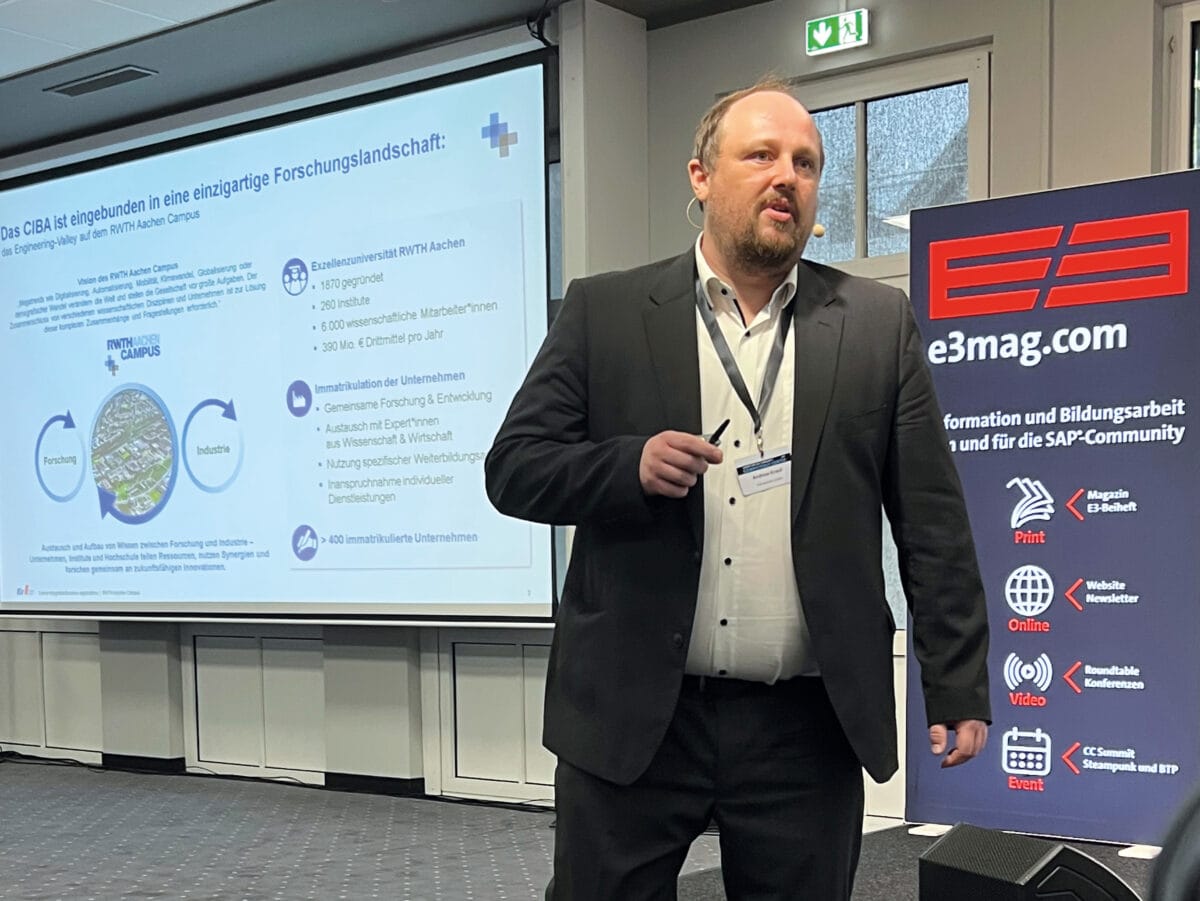
Walter Schinnerer, DSAG Johannes N. Szalachy, ASAP@ITCONSULTING Andreas Knab, Soterion Philipp Richter, Public Cloud Group Friedrich Krey, SUSE Thomas Hermann, Software One Uwe Grigoleit, SAP Andreas Krieg, SaphirACon GmbH Stephanie Muñoz, Pointsharp René Ott, Ososoft KGS Marco Hammel, NO MONKEY Hans Haselbeck, Empirius Sebastian Westphal, DSAG Joachim Hackmann, PAC Empirius Soterion Jörg Bühring, Consilio Pointsharp 
Christopher Kobald, KPMG Austria Dmitrij Spolwind, KPMG Hendrik Hangen, KPMG 
Sebastian Westphal, DSAG Hans-Jürgen Benker, Onapsis 
Axel Angeli, SAP Rescue Project Linda Höfling, Ososoft KGS Christian Knell, SNAP Consulting Andreas Kraut, Fir Aachen Philipp Preissler, T-Systems Austria
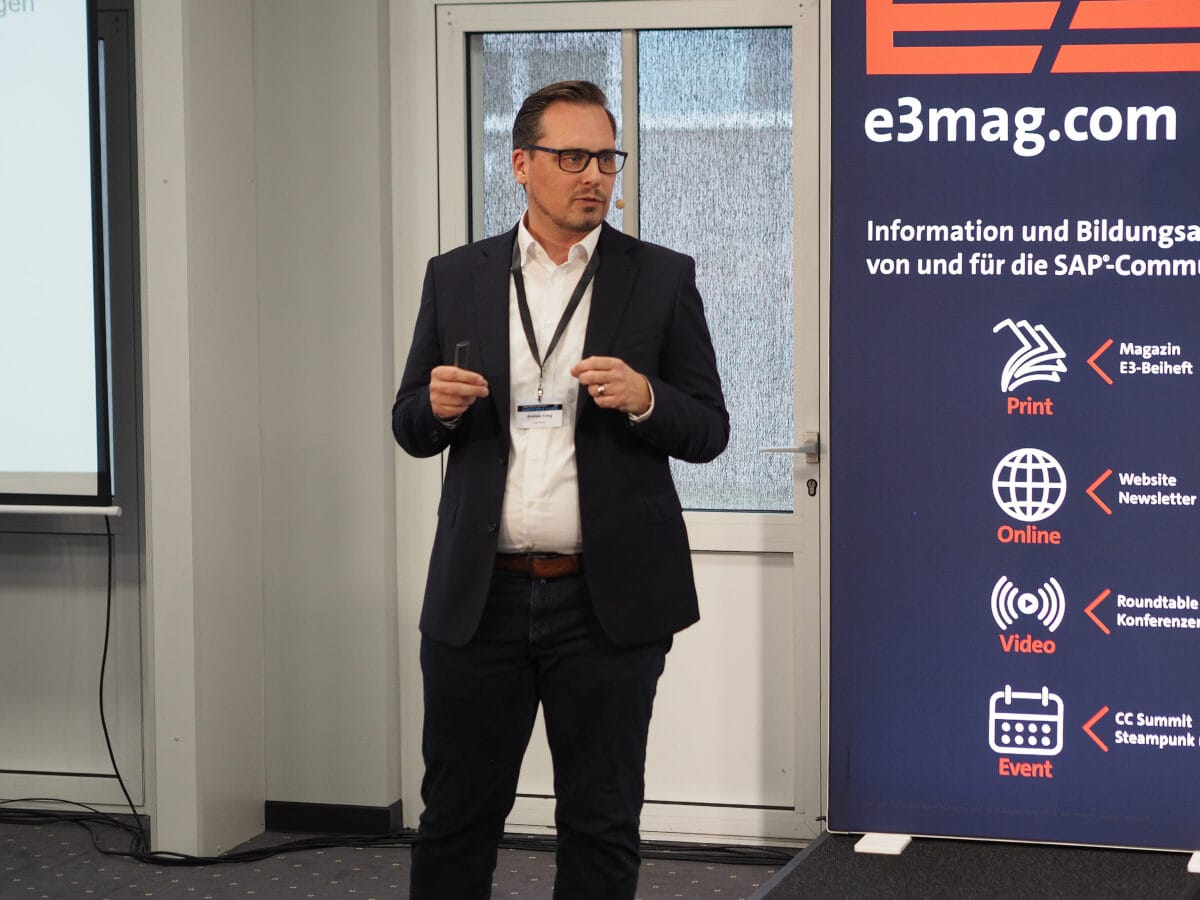
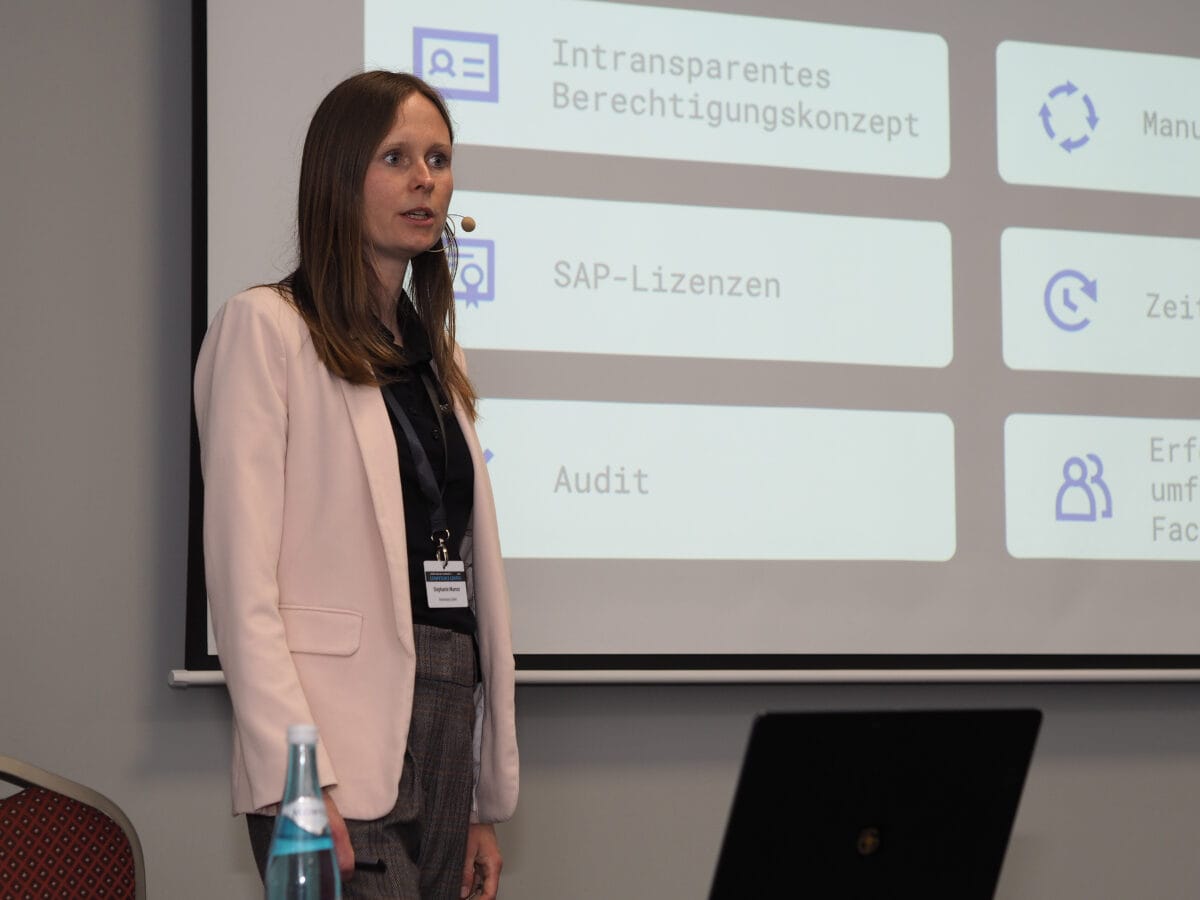
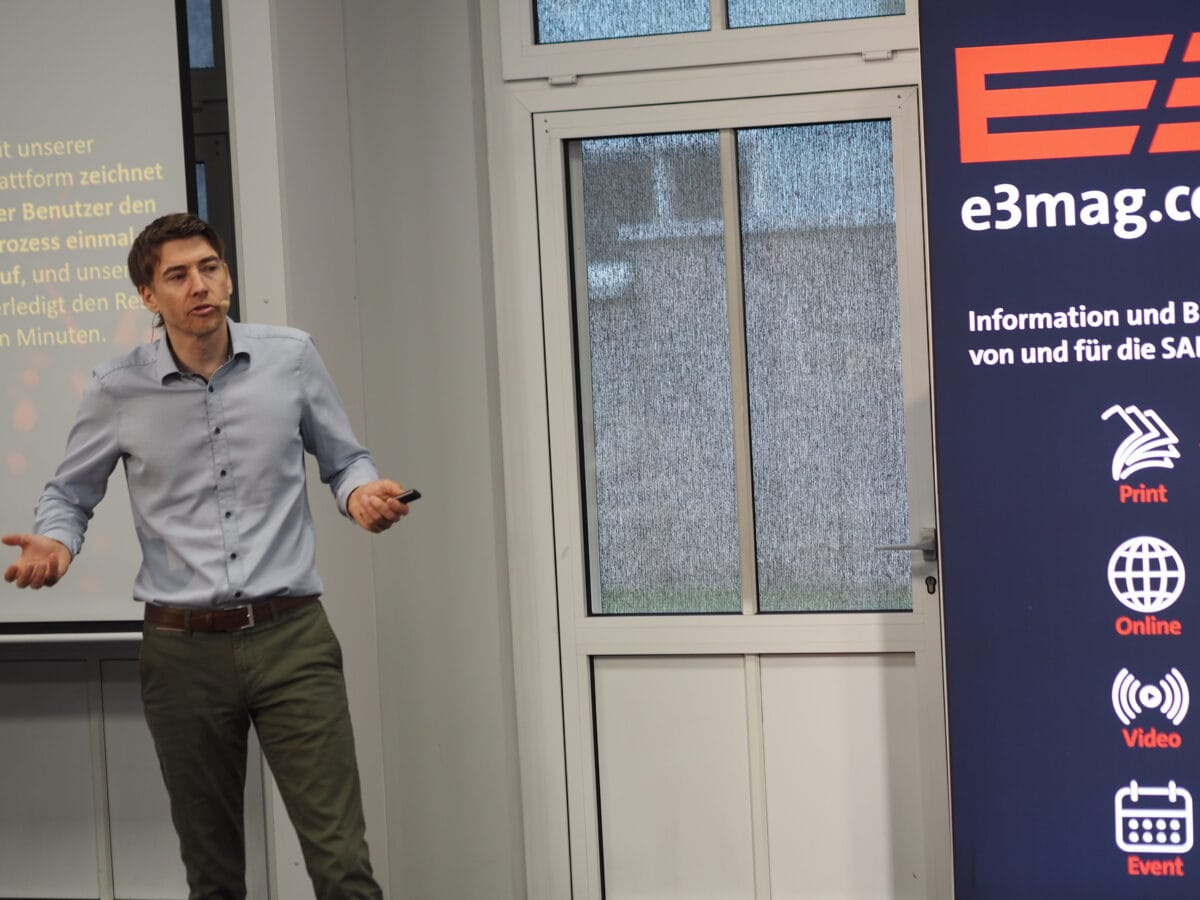
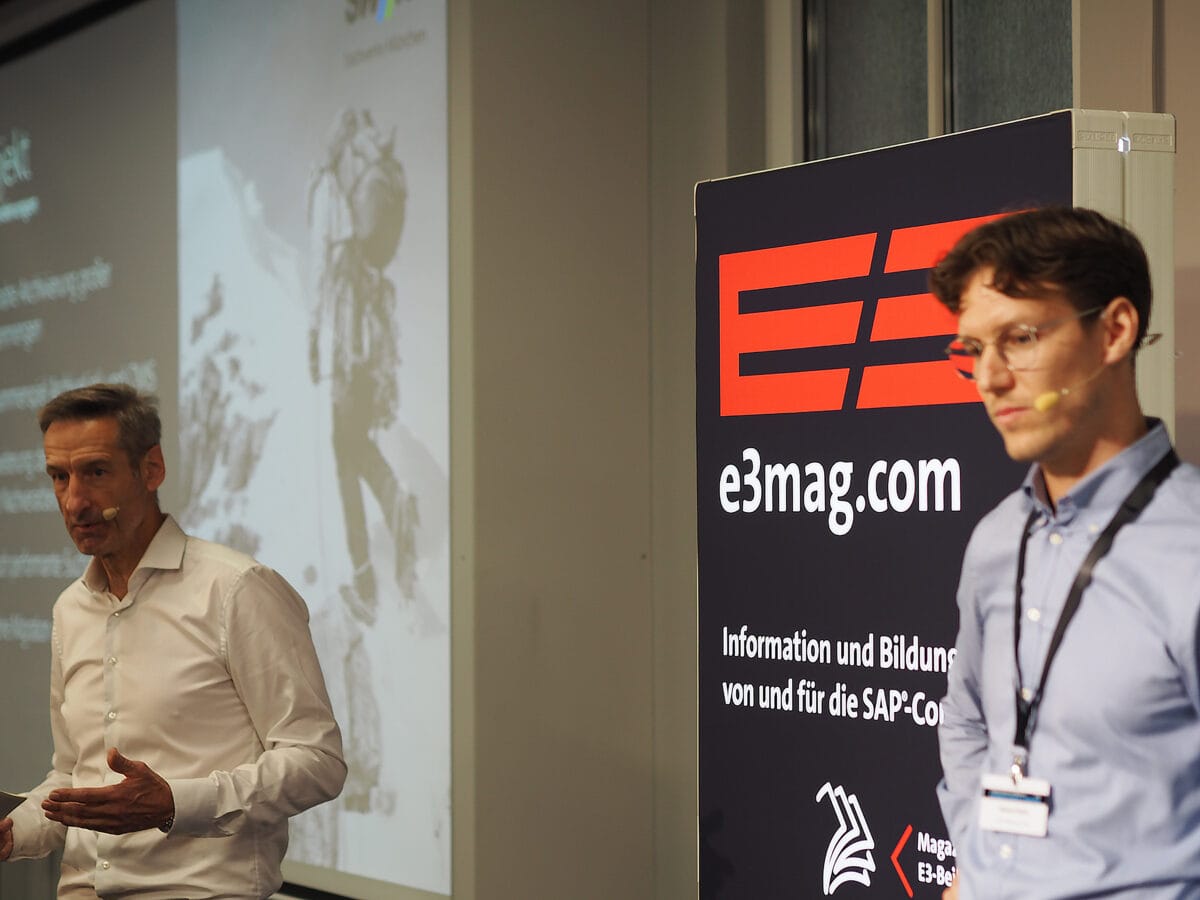

The CCoE Experiment
Long-standing members of the SAP community from the R/2 and R/3 era probably still have fond memories of the CCC. The Customer Competence Center provided first-level support to existing SAP customers through their own IT departments, which were certified by SAP for this purpose. Because SAP obviously considers everything that comes from a successful on-premise era to be „the devil's work,“ the CCC became the CCoE, or Customer Center of Expertise. SAP has also made many adjustments to the CCC, so that in the post-SolMan era, the CCoE is a true experiment.

If an existing SAP customer believes the Rise with SAP promise, then neither a CCC nor a CCoE will be needed in the future: However, this is merely marketing and an empty promise from SAP. Numerous existing SAP customers and partners from the SAP community have reported in recent months that the opposite is true: those who signed a Rise with SAP contract usually had to expand their SAP Basis team (Customer Center of Expertise) or outsource additional tasks to service providers. Rise really does create a lot of work!
Basic support: From CCC to CCoE
Thus, SAP's idea of the CCoE became a testing ground for SAP Basis Support. Why?
A cloud-based SAP ERP system does not solve any of the problems encountered with the previous ERP/ECC 6.0 system. System copies, authorization management, user administration, monitoring and automation, batches, program updates, etc. are still on the agenda for your own IT team. Some tasks can be delegated to SAP via a Rise ticket system, but SAP itself does not act proactively under a Rise contract. Existing SAP customers must create a ticket for each job. S/4 expertise, IT administration, and enterprise architecture therefore remain the responsibility of a CCoE – SAP does not consider itself to have any operational responsibility with „Rise“!
SAP's existing customers are thus facing a historically unique turning point, the core of which is not only the inevitable migration to S/4 Hana by 2033 at the latest, but also the fundamental shift from a monolithic, On-prem-centered IT world to a highly complex, hybrid cloud architecture that is ultimately not managed and secured by a Rise contract. This transition is therefore much more than a technical release change; the S/4 Rise conversion is highly challenging in terms of business management, organization (the CCoE experiment), technology, and licensing law. At the heart of this profound change is the organizational unit that has traditionally ensured the stability and smooth running of the company's „crown jewels“ – the SAP ERP systems (S/4, new SAP Business Suite, and SAP Cloud ERP): the Customer Competence Center (CCC), currently renamed the Customer Center of Expertise (CCoE).
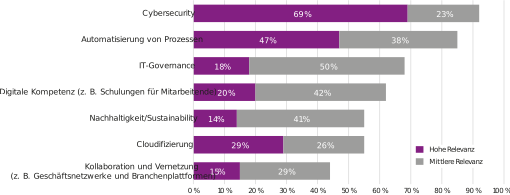
At the beginning of this year, SAP and DSAG e. V. asked: To what extent are the following topics relevant to your investment plans for 2025? n=243, source: DSAG
Customer Competence Center
The CCC has a long and successful history. It served as an organizational operating model and certified competence center within the IT organization of SAP's existing customer. The main task of the CCC was to coordinate internal IT with SAP support, optimize the overall performance of SAP operations, and serve as a hub for collaboration between IT and the business units. In the new S/4 Rise world, characterized by agility and shorter update cycles, the CCoE is intended to guarantee sustainable success, especially since SAP emphasizes the necessity of the CCoE for cloud solutions such as Rise and Grow.
CCoE: Operational and strategic
The role of the CCoE is twofold: on the one hand, it must keep the highly complex S/4 Rise operation up to date and, on the other hand, it must drive forward strategic digital transformation. From a business perspective, CCoE managers and CIOs must work together to organize the operational running of SAP applications. Given the limited maintenance windows and the need to keep systems available 24/7, the CCoE must demonstrate efficiency gains through automation. This involves cost and resource savings, which must be significant thanks to the full automation of processes and end-to-end monitoring. Organizationally, the CCoE is the focal point that directly feels the shortage of skilled basic administrators, exacerbated by retirements, labor shortages, growing Rise with SAP project loads, and the Rise ticket system.
Rise with SAP project load
Automation would be the logical answer to relieve employees and free them up for higher-value tasks. In addition, the CCoE must structure the cloud orchestration role of the IT department; SAP does not assume any responsibility for this within the scope of Rise. In selected cases, SAP „gives away“ an enterprise architect with LeanIX experience. A key new focus is clean core governance in the S/4 world, where the CCoE must ensure enablement, governance, and communication for compliance with clean core principles – here, too, existing SAP customers are on their own with the CCoE.
Technically, the CCoE must manage a hybrid system landscape (ECC 6.0, S/4 Hana, SAP Cloud ERP, and non-SAP). This requires handling complex maintenance (patches and innovations in many parallel system landscapes). Routine tasks that are still performed manually or using complicated scripts are numerous and prone to errors: SAP kernel patches, rolling out authorization objects, adjusting profile settings, creating sandboxes, and system copies.
This is where specialized automation suites such as the Empirius Planning and Operations Suite (EPOS) come into play, acting as a central point of management for SAP IT infrastructures to perform these recurring tasks in a fully automated manner. Tools such as Ansible from RedHat support the automation of SAP workloads (deployment, configurations, housekeeping) and are increasingly able to automate ongoing SAP operations (e.g., rights management).
License management with CCoE
In terms of licensing law, the CCoE—as the unit responsible for contract management—remains in a constant state of tension. The SAP price list for S/4 is complex, with over 300 lines and 200 pages, and creates uncertainty among existing customers. The issues of digital access and indirect use are particularly critical. The measurement of indirect use is becoming the focus of SAP system measurement, whereby the CCoE must use IT tools such as the Passport Report and the Estimation Note, but the results of these tools are not guaranteed by SAP and require their own critical interpretation.
S/4 incorrect licensing
Even the path to the cloud (Rise with SAP) offers no guarantee against incorrect licensing. Existing SAP customers remain responsible for compliance. The CCoE must therefore develop calculations and strategies to manage the complexity and the associated technical, contractual, and commercial risks.
Critical gap in cloud ALM
Application lifecycle management (ALM), which encompasses all methods and tools for managing the SAP landscape, is the central area of work where the transformation is most evident. With SAP Cloud ALM (CALM), SAP has created the strategic successor solution to the established SolMan (SAP Solution Manager), primarily geared toward cloud-centric solutions such as S/4 Cloud, SuccessFactors, and Ariba.
However, a critical analysis shows that CALM does not currently represent a fully-fledged alternative to SolMan. While SolMan offered extensive functions for project management, monitoring, incident and change management, and test management, and was used centrally in large IT landscapes, CALM can currently only partially unleash its full service potential for on-premises or IaaS/private cloud environments.
CALM without ITSM
From the perspective of existing SAP customers, a serious shortcoming is the lack of IT service management (ITSM) functions in SAP Cloud ALM. The solution can only be used optimally if no other monitoring tool is in use, no infrastructure and system monitoring is required, or integration with external ITSM solutions (such as ServiceNow) can be used. However, in the case of ServiceNow, this is not to SAP's liking.
CALM supports test management and operational automation by providing mechanisms for automated response to fault situations and integrating with SAP Intelligent RPA and SAP Workflow Management (both on BTP), but actual transport control is performed via external services such as the Cloud Transport Management Service.
Furthermore, CALM does not provide the analysis data needed to customize or further develop Fiori apps, which means that external analysis tools are still required. CCoE teams need to take a critical look at the Cloud ALM roadmap and recognize that they will generally have to maintain hybrid tool landscapes, supplemented by partner solutions to fill the gaps left by CALM.
SAP for Me: The Self-Help Portal
SAP for Me is SAP's comprehensive self-service portal designed to help customers manage their SAP system landscape and licenses. For license managers, it offers functions such as API usage and performance monitoring and maintenance planning. It is important to note that this portal, which is an important IT tool for CCoE employees, repeatedly suffers from operational disruptions and outages. This leads to frustration and unproductive work in the CCoE.
Given the future requirements of AI agents and SAP BDC, which demand 100% availability, this lack of IT stability and reliability is sharply criticized by CCoE managers. The acquisitions of SAP Signavio and SAP LeanIX strategically position SAP in the areas of business process intelligence (BPI) and enterprise architecture (EA).
SAP Signavio
Signavio is primarily used for process transformation (business process redesign/reengineering). Process mining and AI-supported tools (such as task and communications mining) are used to perform a data-based, objective analysis of the actual process flows in the SAP system (as they really happen). Signavio thus identifies process cost drivers, complexity, and automation potential, which creates the basis for determining which processes need to be standardized and then tested. The integration of AI is advanced, including an AI-supported process modeler (text-to-process function). The seamless integration of Signavio Process Manager into SAP Cloud ALM enables the transfer of process models for solution implementation.
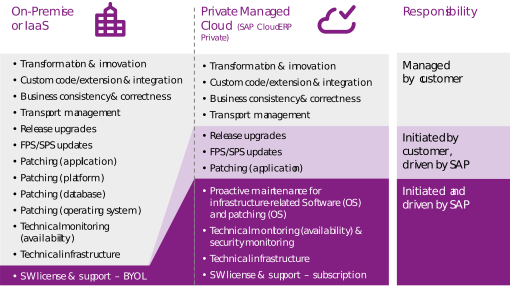
Transition to the cloud and Rise with SAP: Despite the Rise contract, responsibilities remain with existing SAP customers under a new cloud operating model – a CCoE experiment, right? Source: SAP
SAP LeanIX
LeanIX, on the other hand, covers enterprise architecture. It is understood as a tool for transparency across the IT landscape and as a model for future architecture (in the course of S/4 and cloud ERP transformation). The critical analysis of these IT tools from a CCoE perspective focuses on the bipolar challenge: The tools are strategic instruments that are used at the beginning of the ALM process, whereas automation and monitoring are operational tools for later operation. Existing SAP customers must organize the simultaneity of process mining (Signavio) and automated testing in operation (CALM, Basis automation). Critics doubt the direct business and organizational added value of LeanIX and Signavio if SAP does not provide a clear strategy for orchestrating these complex tools.
SAP WalkMe
SAP has acquired WalkMe to strengthen support for end users. WalkMe, the Digital Adoption Platform, aims to increase productivity and reduce risk by identifying friction points and providing tailored support and automation directly within users' workflows (across all applications involved, including non-SAP). WalkMe helps existing SAP customers adopt new features quickly and efficiently, improving user acceptance—a critical success factor when introducing new SAP systems.
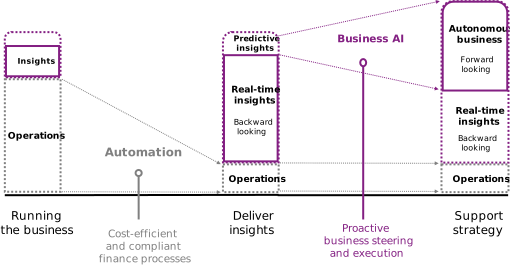
SAP's vision of business transformation: From routine to supporting growth and new business models, but existing customers must take responsibility for proactive action.
Monitoring and automation
The S/4 base architecture requires specific measures in monitoring and automation. Migration to S/4 Hana requires a large number of integrations. IT systems are often no longer monolithic, but hybrid (on-premises, private cloud, public cloud, non-SAP systems). This fragmented environment makes holistic monitoring complex. Despite the increased risk, many existing SAP customers struggle with seamless real-time monitoring for their SAP landscapes. The CCoE must ensure seamless monitoring of interfaces and apps (such as Fiori) in order to proactively identify problems. Solutions such as New Relic offer full-stack observability and business process monitoring via SAP backend and Fiori to measure the performance of end-to-end processes (e.g., order-to-cash) and assess the impact of migrations.
The trend is toward coupling monitoring and automation (observe, engage, act). The goal is self-healing during operation (e.g., automated disk expansion, restarting backups). Platforms such as Avantra use AIOps (artificial intelligence for IT operations) to simplify IT operations and accelerate problem solving in complex environments. However, Rise with SAP restricts access to SAP operations, which makes it difficult for standard automation tools to work, especially when end-to-end processes are being handled. Some legacy interfaces are no longer available. Workload automation solutions must therefore be Rise-compatible and, ideally, operate directly from within the SAP system (such as Honico BatchMan).
CCoE platforms: BTP and BDC
The concept of the SAP Business Data Cloud (BDC) aims to create a semantically integrated database for the intelligent enterprise. The BDC and related technologies (Databricks, Snowflake as data lake solutions from hyperscalers) are revolutionizing data architecture, as they could potentially replace the classic data warehouse (DWH). This development has a massive impact on the work of the CCoE and SAP Basis: Instead of monolithic data storage, distributed, hybrid environments are emerging that require data streaming and big data analytics. The CCoE must ensure the governance of the numerous APIs that are necessary for data exchange between SAP Cloud ERP (S/4 Hana) and external cloud platforms.
The CCoE must address the issue of data sovereignty. Licensing becomes complex when SAP data flows into external LLM models outside the SAP ecosystem. In addition, the CCoE must have a comprehensive cloud exit strategy in place, as cloud providers, including SAP, could delete the data when contracts end. The CCoE thus becomes a strategic partner that must establish the connection between Hana and PAL (Predictive Analytics Library) data storage and the requirements of cloud analysis tools (Data Fabric, Data Hub).
Security governance
The CCoE is the central organizational unit responsible for ensuring security governance and compliance (e.g., SoD, authorization management). Concerns about potential system breaches are justified among existing SAP customers. The biggest operational challenge is monthly SAP patch day management. SAP provides security notes, but manual checks of relevance and implementation of hotfixes are often inadequate due to a lack of resources.
Automation (e.g., through specialized software that collects, prioritizes, and initiates actions for SAP security notes) is the only way to ensure security in the long term and drastically reduce troubleshooting times. With SAP cloud solutions, the responsibility for compliance and application security remains with the customer (CCoE) despite the Rise with SAP contract, even if the hyperscaler (e.g., Azure, AWS) or SAP itself ensures a high level of infrastructure security. The CCoE must actively address compliance with laws (such as the GDPR) in the public cloud.
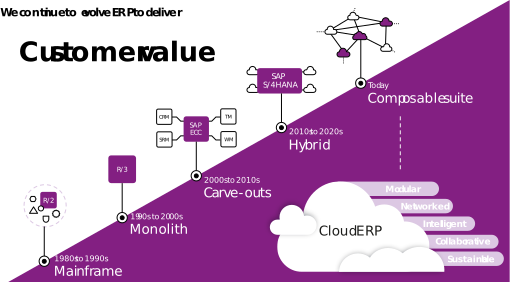
Business Technology Platform
The SAP Business Technology Platform (BTP) introduces new challenges. The CCoE must establish governance, fixed structures, and best practices for the BTP, as these are often lacking. It must be clarified where responsibilities lie and how BTP tenants and subaccounts are securely configured. New threats such as economic denial of service (EDoS), in which the customer's cloud resources are driven up through misuse, must be addressed jointly by developers and the CCoE. Regardless of whether on-premises or in the cloud, the CCoE is required to ensure cyber resilience—the ability to remain operational even in the event of successful attacks.
This requires a holistic, proactive strategy and close cooperation between SAP teams (Basis, Development) and the IT security organization, which is often lacking, in order to overcome silo boundaries (DevSecOps approach). Basic security starts with the infrastructure and extends to interfaces and data streams.
SAP authorization concept
The CCoE is also responsible for maintaining up-to-date and transparent authorization concepts; here too, SAP assumes no responsibility under a Rise contract. The CCoE's tasks include checking critical authorizations (such as SAP_ALL), SoD risks (separation of duties), and managing emergency or super users, which are viewed critically by auditors. Solutions for identity and access management (such as SAP Access Control or SIVIS/2ndC) are needed to centralize and automate user lifecycle and access control.
And the CCoE must perform regular system configuration audits to ensure compliance with security-related requirements (SAP profile parameters, database level). Reporting apps from automation suites provide the information needed for audits and compliance checks.
Conclusion and CCoE Summit
In summary, it can be said that in the era of S/4 Hana and SAP Cloud ERP (new SAP Business Suite), the CCoE has become a strategic control center. It must preserve the role of the traditional CCC—the perfect, automated control of the SAP engine room—while adapting SAP's strategy by resolving the bipolar tension between strategic process design (Signavio and LeanIX) and operational IT stability (automation and monitoring). Without this comprehensive service—in terms of business management through cost optimization and licensing clarity, organizationally through the reduction of skilled labor requirements via automation, and technically through seamless monitoring and robust cybersecurity—existing SAP customers will not be able to safely and successfully manage the complex S/4 conversion.
Picture gallery 2025
Walter Schinnerer, DSAG Johannes N. Szalachy, ASAP@ITCONSULTING Andreas Knab, Soterion Philipp Richter, Public Cloud Group Friedrich Krey, SUSE Thomas Hermann, Software One Uwe Grigoleit, SAP Andreas Krieg, SaphirACon GmbH Stephanie Muñoz, Pointsharp René Ott, Ososoft KGS Marco Hammel, NO MONKEY Hans Haselbeck, Empirius Sebastian Westphal, DSAG Joachim Hackmann, PAC Empirius Soterion Jörg Bühring, Consilio Pointsharp Christopher Kobald, KPMG Austria Dmitrij Spolwind, KPMG Hendrik Hangen, KPMG Sebastian Westphal, DSAG Hans-Jürgen Benker, Onapsis Axel Angeli, SAP Rescue Project Linda Höfling, Ososoft KGS Christian Knell, SNAP Consulting Andreas Kraut, Fir Aachen Philipp Preissler, T-Systems Austria
 DE
DE  EN
EN  ES
ES  FR
FR